RBA Flags Datacentres as Inflation Driver Amid Uncertainty Over AI Benefits
The Reserve Bank of Australia has identified datacentre investment as a source of inflationary pressure, raising political questions about the timing of AI rewards for Australian workers.
By News Media House Staff ·
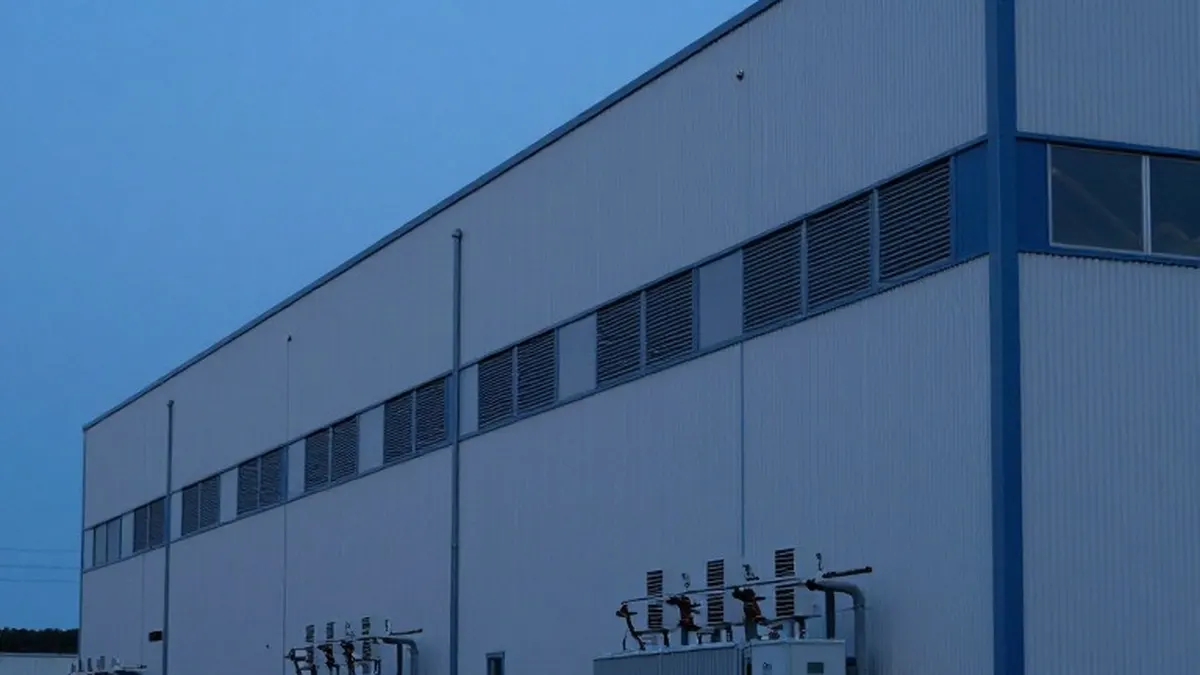
The Reserve Bank of Australia has identified datacentre construction as a significant contributor to rising inflationary pressures, a finding that complicates the political narrative surrounding the artificial intelligence boom. As the central bank lifted interest rates to an 18-year high this week, Governor Michele Bullock noted that investment in datacentres had been much stronger than expected. This surge in demand is straining an economy that is already capacity constrained, adding to the cost pressures faced by consumers and businesses alike.
Despite the scale of the build-out, officials remain uncertain about when the economic benefits of this technology will materialize. When asked during a recent address when AI would begin to have a positive impact on inflation, Bullock responded that her guess was as good as anyone else's. She cautioned that even if productivity improves dramatically, the neutral interest rate could increase, challenging the assumption that technological gains would automatically keep borrowing costs low.
The timing of these costs versus benefits is a central concern for policymakers and voters. Deloitte Access Economics reported on Thursday that Australia's investment pipeline includes 37 datacentres valued at 141 billion dollars, representing a 36 percent increase over the past year. However, the report warned that the economic dividend may take time to arrive. While substantial gains are expected in the construction sector, the direct economic payoff for the broader economy is predicted to be smaller. Much of the technology used in these facilities is imported, and the operations require relatively few workers.
Sheraan Underwood, a director at Deloitte, highlighted that the datacentre boom is competing directly with housing and infrastructure projects for both labor and materials. She noted that Australia has less room to absorb this investment surge due to the existing high inflation environment. The report emphasized that construction demand and inflation pressures are arriving now, whereas the potential productivity gains may come much later.
The political implications of this timing are becoming evident. In the United States, recent midterm elections saw datacentres become a significant issue for voters. Polling indicated that half of Americans oppose datacentres near their homes, and exit polls revealed that 56 percent of voters considered AI and datacentres crucial or major factors in their voting decisions. In dozens of towns, local ballot measures proposing restrictions on datacentre construction were overwhelmingly passed. This trend suggests that the technology is becoming a source of political friction for voters who have yet to see tangible benefits.
In Australia, while the backlash is currently smaller, community groups are beginning to organize and protest. The Australian government, led by the Albanese administration, is mulling a plan to attract further AI investment. The recent RBA decision demands that politicians better explain the long-term benefits of this rollout and justify the short-term pain. The government must also consider whether it is addressing all sources of inflation or focusing too narrowly on specific areas.
Media and political attention has often turned to government spending, particularly green subsidies and home battery programs. Shadow energy minister Dan Tehan criticized a budget overrun in these areas, noting an increase from 2.3 billion dollars to 8.5 billion dollars. However, this 6.2 billion dollar difference represents only 4 percent of the total datacentre investment or 16 percent of the annual growth in that sector. This comparison suggests that if all spending is on the table for review, the massive private investment in AI infrastructure should also be scrutinized for its net benefit.
Economists are proposing alternative policy tools to manage the economy without relying solely on interest rate hikes. Senator David Pocock has suggested a Senate committee to investigate options such as temporary changes to income tax or superannuation rates. Independent economist Saul Eslake has argued that a small increase in superannuation contributions could help curb spending. Other ideas include taxes on windfall profits and gas exports. These measures aim to withdraw excess liquidity from the economy more precisely than the blunt instrument of monetary policy.
The core challenge for the government is to make the case for new AI investment to ordinary Australians, who currently face uncertainty and reduced disposable income. While the technology is expected to address stagnant productivity in the long run, the immediate experience for many workers is one of rising costs and potential job displacement. Balancing the need for technological advancement with the immediate economic realities of voters will be a defining test for the current administration in the coming months.
Originally published by News Media House · Source: The Guardian