Voters approve vacant lot tax for schools
Chicago voters backed a non-binding referendum to levy an annual fee on undeveloped property to help fund the district.
By Anthony Brooks ·
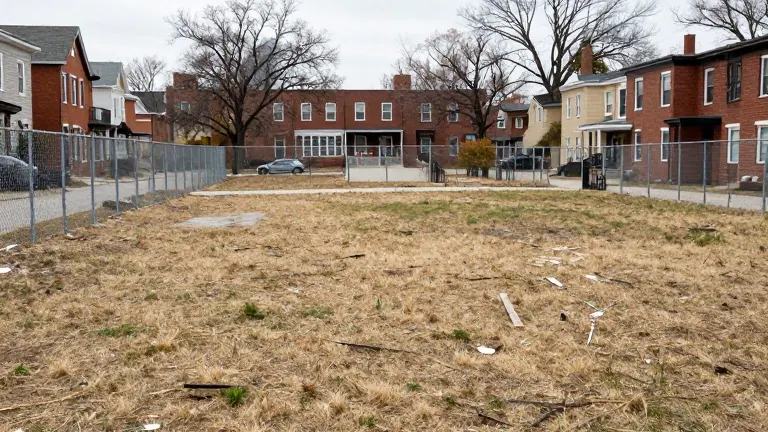
Chicago voters said yes on Tuesday to a new tax on empty lots and unused buildings. The measure aims to generate revenue for Chicago Public Schools. About 74 percent of the 624,339 people who cast ballots supported the idea. The remaining 26 percent, or 163,655 voters, opposed it.
The referendum is not binding. The City Council must now write and pass the actual tax law for it to take effect. School board members argue the vote shows strong public demand for the change. Debby Pope, a CPS board member who won re-election in District 2b, noted the council is currently divided. She believes candidates for the upcoming council elections will look at the high approval number.
The ballot question targeted owners of long-term vacant or undeveloped commercial and investment properties. It did not define what counts as long-term. It also did not set a specific tax rate. This leaves the total revenue unclear. The district entered the current school year with a $730 million deficit. That gap would have been nearly $900 million if the city had not raised property taxes to the maximum limit.
Other cities have already used similar tools. Washington D.C. passed a vacancy tax in 2011. It applies a higher rate to vacant and blighted properties. Baltimore approved a similar tax in 2024. That law charges owners three times the normal property tax rate in the first year a building is deemed vacant. It increases to four times the rate in subsequent years. Baltimore's tax began in July.
Mayor Brandon Johnson's office said it supports putting underused land to work. A spokesperson pointed to the Missing Middle Infill Housing program. That initiative has created hundreds of homes on the South and West sides by selling vacant lots to developers for one dollar each. The office stated that vacant properties should strengthen neighborhoods and create economic opportunity.
Pope, a retired teacher backed by the Chicago Teachers Union, described vacant lots near schools as dumping grounds. She said the tax would prevent these spaces from becoming eyesores or dangers to neighbors. The fee would discourage owners from holding onto unused land.
Board member Michilla Blaise, who is running for re-election in District 5b, said the tax could address two issues at once. It would raise school revenue and help position land for its highest economic value. However, some business leaders worry the policy could complicate development.
Scott Henry, CEO of Celadon Partners, said the district needs more money. He argued that a vacancy tax is not the best way to spur development. He said many buildings are vacant for valid reasons. Adding a fine can make a bad situation worse. Henry questioned how easy it would be to collect the fees. He said the tax adds to the difficulty of doing business in Chicago.
Henry proposed using the city's tax increment financing to encourage redevelopment. The city could then charge developers a one-time impact fee. He said this approach would be more predictable. It could generate more revenue for the schools. It would also result in new buildings that provide housing and improve neighborhoods.