
Appalachian Salamander: Hellbenders face listing delay amid federal rule changes
The largest salamander in North America remains unlisted under the Endangered Species Act as new federal guidelines expand protections for developers.
By Wyatt Cooper ·
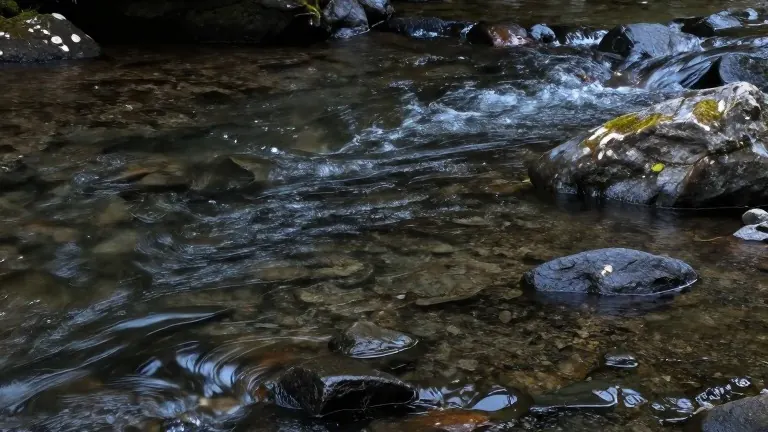
Eastern hellbenders, the largest salamanders in North America, continue to inhabit Appalachian streams without formal protection under the Endangered Species Act. Conservation groups and scientists have sought a federal listing for more than a decade. The Trump administration has refused to take reasonable measures to list the species, joining hundreds of other endangered animals whose designations have stalled in the past two years.
The lack of a listing leaves the species vulnerable to development and pollution. In the 1800s, settlers viewed the amphibians as vermin and often killed them with muskets. By the early twentieth century, commercial bounty hunters targeted the animals, believing they consumed too many game fish. Industrial pollution, dam construction, and logging further reduced populations as development spread across the region. Today, warmer water temperatures from the climate crisis add pressure to their survival.
The Eastern hellbender, scientifically known as Cryptobranchus alleganiensis, has existed for over 160 million years. These ancient amphibians can grow up to two and a half feet long and weigh as much as five pounds. They can live for forty years. Most individuals travel over stream beds by walking, using toes to cling to the bottom. They breathe through their dark, wrinkly skin, absorbing oxygen directly from the water.
This biological requirement makes the species a sensitive indicator of water quality. Clean, swift-moving water is essential for their survival. They also help maintain healthy aquatic ecosystems by controlling prey populations. However, they are easily affected by pollution. Eroded sediment from agricultural operations and construction can cause disease and death. More than 40 percent of known historical populations have vanished in recent decades, with a large portion of the remaining groups in active decline.
Federal environmental laws provided some protection to the species in the 1970s. A formal listing under the Endangered Species Act would trigger consultations between government agencies and private developers. It could also require permits for projects that might impact the amphibians. For over fifty years, this Nixon-era law has helped save nearly 300 species, including the bald eagle, American alligator, and grizzly bear.
The situation has become more complex with recent regulatory changes. The U.S. Fish and Wildlife Service recently updated rules governing the Endangered Species Act. Under the new guidelines, it is legal to destroy the critical habitat of endangered species or to kill them, unless the action was intentional. Multiple lawsuits have been filed against the administration to challenge these rollbacks. The changes have frustrated conservationists who argue the law was one of the most successful wildlife protection measures in the world.
Local efforts to protect the species continue in areas like the Watauga River in North Carolina. There, a local riverkeeper organization leads conservation work. Researchers and enthusiasts look to these streams to observe the animals, which are known by various common names including snot otters, lasagna lizards, and mudpuppies. The group plans to swim with the species in cold, clear mountain streams when warmer weather returns next summer.
The fate of the Eastern hellbender serves as a test case for the current environmental policy framework. Without a federal listing, the species relies on voluntary protections and state-level efforts. The ongoing legal battles and regulatory shifts keep the status of these long-lived amphibians in a state of uncertainty as they navigate the changing conditions of their native waterways.
Source: Rough Draft Atlanta