Nyssa District Keeps $14 Million From Online Students
A small Eastern Oregon school district generated millions in profit by enrolling distant students in a virtual school run by a Utah company, while state data shows these students graduate at lower rates than their peers.
By Lily Carter ·
The Nyssa School District in Malheur County has retained approximately $14 million in state funds over the current school year by enrolling 3,060 students in a virtual program. This number is more than double the district's physical enrollment of 1,100 students. The money comes from a 2021 agreement with OpenEd, a for-profit online education company based in Utah.
Under the contract, OpenEd receives 60% of the state funding attached to each enrolled student to operate the online school. Nyssa keeps the remaining 40%. Matt Bowman, the founder of OpenEd and a former teacher, pitched the idea to the Nyssa school board shortly before Christmas 2021. He argued that the district could generate tens of millions of dollars by attracting students from across the state. Darren Johnson, the district superintendent at the time, agreed, stating the plan would help protect local school funding.
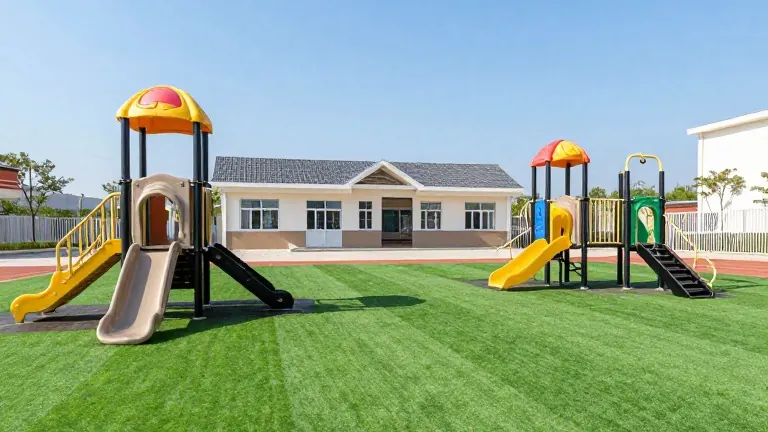
The influx of revenue has funded several capital projects in the district, including a new $1.6 million football field and a $600,000 elementary school playground. The district also installed new science labs and plans to add six tennis courts by spring. These improvements are paid for by state money allocated to students who attend classes remotely and do not live in the Nyssa area.
Statewide, online school enrollment has nearly tripled in the past decade. Oregon currently has 31,000 students in virtual programs, representing about 6% of the K-12 population. The state has 76 virtual schools, many operated by private companies such as Stride Inc. and Connections Academy. These schools operate at a lower cost than traditional public schools because they do not maintain buildings, buses, or lunchrooms. Student-to-teacher ratios in some virtual settings reach 150 to 1.
Independent research indicates that virtual students in Oregon generally perform worse than those in traditional schools. Fewer than two-thirds of virtual students are on track to graduate on time, compared to a state average of 87%. The four-year graduation rate for virtual high school students is 59%, significantly lower than the state average of 83%. A 2023 study by the Annenberg Institute found that virtual students have worse long-term employment outcomes and earn less than peers educated in brick-and-mortar schools.
In addition to state funding, many virtual schools provide annual tax-free stipends to parents ranging from $1,000 to $3,000. OpenEd pays $2,750 per child for education-related expenses. Parents in online support groups have reported using these funds for items including horseback riding lessons, a KitchenAid stand mixer, golf clubs, and travel expenses for dolphin encounters in Hawaii. Dan Goldman, superintendent of the Northwest Regional Education Service District, criticized the practice, describing it as insanity that pits school districts against one another. Liz Barrowcliff, co-founder of Fossil Charter School, defended her institution's $3,000 stipend as fair compensation for the time parents spend managing their children's education at home.
Source: Willamette Week · original report published
More News · Portland news · Report a business · Got a Story?