
BMW upgrades 2027 i7 with larger battery and new drive hardware
The midlife update brings a 112.5 kWh pack and silicon carbide inverters to the flagship sedan, closing the gap with newer, cheaper electric models.
By Samira Khalil ·
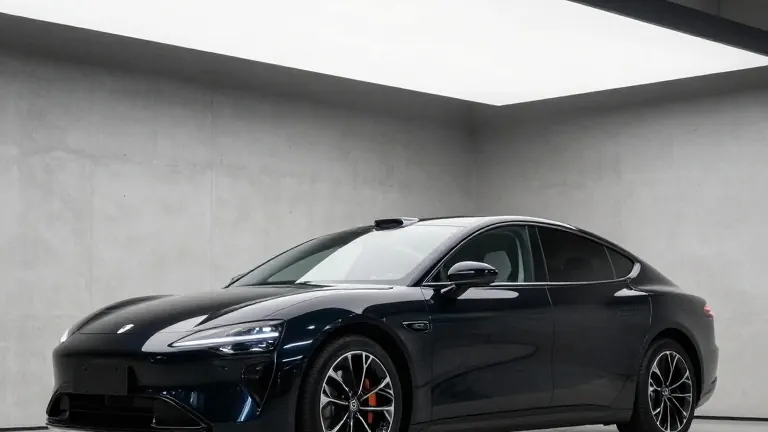
BMW will equip the 2027 i7 with a larger battery pack and updated electric drivetrain components as part of a midlife update for its flagship sedan. The move aligns the top-tier model with the technological advances found in the company's newer, more affordable electric vehicles.
When BMW introduced the current 7 Series in 2022, it integrated the battery-electric powertrain directly into the existing sedan rather than creating a separate model. This approach allowed buyers to choose between a V8 engine and the electric option, with only subtle differences like badging and the lack of exhaust pipes distinguishing the two versions. Since then, the manufacturer has released several new electric models across its 5 Series, 3 Series, and SUV lines, shifting from prismatic to cylindrical cells to increase energy density.
The company's latest electric hardware, originally developed for the Neue Klasse family, replaces numerous single-function electronic control units with a few powerful domain controllers. These computers process data faster and support easier updates, improving chassis control and powertrain efficiency. BMW's board determined that the flagship i7 should not lag behind these newer models in terms of power or range efficiency, leading to a comprehensive update of the i7's underlying technology.
The 2027 i7 features a battery pack with a net capacity of 112.5 kWh, an increase from the previous 101.7 kWh. The vehicle retains a 400 V electrical architecture, distinct from the setup used in the Neue Klasse models or the iX5. The updated lineup will include a less powerful 50 xDrive variant and a more powerful M70 xDrive. During a recent first-drive event, journalists sampled the midrange 60 xDrive version.
The 60 xDrive model produces a combined 544 hp and 549 lb-ft of torque. These figures are roughly equivalent to those of the pre-facelift vehicle. The inclusion of silicon carbide inverters and more compact drive unit packaging marks a step forward in the efficiency of the electric hardware. The changes ensure that the most expensive model in BMW's lineup remains competitive with the technology available in its cheaper electric offerings.
The update reflects a broader strategy within the brand to maintain technological consistency across its electric range. By incorporating the latest powertrain components, BMW addresses the potential obsolescence of its flagship model. The new hardware allows the i7 to keep pace with the rapid development seen in the rest of the electric lineup. This alignment ensures that buyers of the flagship sedan receive access to the same core processing and efficiency improvements as owners of lower-trim models.
More News · National news · Report a business · Got a Story?