NSW scraps cafe mug mandate
The state government reversed its policy on reusable coffee cups one week after parliament passed the law, following criticism from small business owners and media outlets.
By Anthony Brooks ·
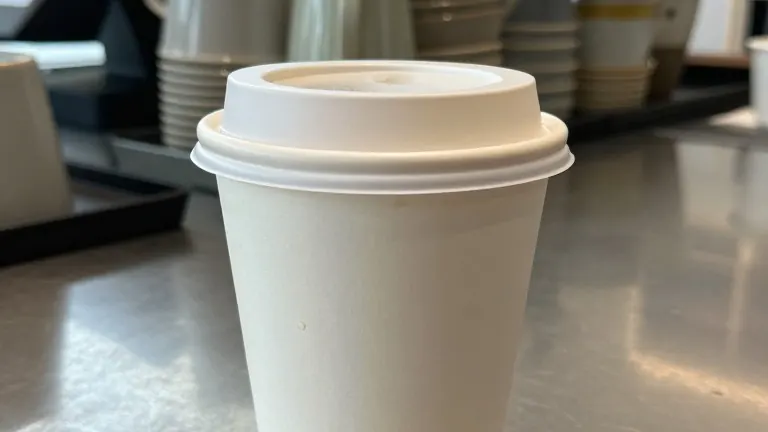
New South Wales Labor reversed its position on coffee cup regulations on Wednesday, one week after the legislation passed parliament. The government announced it would repeal laws requiring cafes to offer mugs and glasses to diners and would drop a scheme that fined businesses up to $110,000 for not participating in a reusable cup program. Environment Minister Penny Sharpe told 2GB radio that the move responds to pressure on small businesses. “We know small businesses are under pressure and we want them to be able to operate in the way that they need to operate, to run their business,” she said. The repeal will not be formalized until after the March 2027 election because only two sitting weeks remain in the current parliamentary session.
Three key changes define the new direction. First, the mandate for cafes to provide mugs or glasses to customers dining in from 2028 will be removed. Second, the fine of up to $110,000 for businesses that failed to join a reusable cup scheme is being dropped. Third, the government is keeping rules that require businesses to accept clean customer-provided cups and that mandate single-use takeaway cups be recyclable by 2028. Sharpe noted that the original plan always included extensive exemptions and that trials would occur at government-owned venues like stadiums. She stated, “It was always the plan that there would be extensive exemptions.”
Premier Chris Minns initially defended the legislation in an interview on 2GB on Tuesday. He argued the government was not eliminating disposable cups and admitted a communication gap. “I use disposable cups, most people use disposable cups,” Minns said. “I don’t know whether we’ve done a good enough job of explaining the policy.” By Wednesday, however, Minns and Sharpe had agreed to clear up the confusion. Sharpe revealed they discussed whether the mandate was necessary. “We said: ‘Look, do we need to mandate this?’ Sharpe said. “No, we don’t, and that’s why it’s really important that we need to clear this up.”
The policy reversal follows a backlash from News Corp Australia and small business owners. The Daily Telegraph ran a front page headline reading “‘Nup’ to the Cup” last week. Several owners criticized the costs of joining reusable cup schemes. The NSW Greens environment spokesperson, Sue Higginson, called the decision a “coffee cup captain’s call.” She argued the media had more sway than the environment minister. “I don’t think a single voter in NSW would baulk at being asked to use a mug or a glass if they aren’t taking away their coffee,” Higginson said.
Context for the change includes Sydney’s landfill, which is projected to run out by 2030. The original laws were part of a wider plan to reduce plastic waste. The Boomerang Alliance director, Jeff Angel, criticized the backdown as a retreat from real change. He noted the federal government had also shelved packaging standards. “Now the Minns government caves on reusable cups, one of the best ways to reduce plastic in the environment,” Angel said. Sharpe has asked the NSW Environment Protection Authority to issue a statement of regulatory intent to clarify the government’s position. The opposition had promised to repeal the laws if elected, claiming they suffocated businesses.
Political pressure is high for Labor, which faces a March 2027 election. A Guardian Essential poll from last week showed Labor and One Nation neck and neck at 28% of the primary vote, while the Coalition held 23%. Both opposition parties are running pro-small business platforms. One Nation pledged to cut the payroll tax in half and slash it completely in regional areas. Minns recently backed down from changing rail timetables after commuter complaints. He told 2GB on Tuesday that One Nation leader Mike Newman would likely be premier or opposition leader after the election, but Newman has refused to cost his policies through the state budget office.
Source: The Guardian