Khartoum food costs surge as war continues to drain family budgets
Sudan's Central Bureau of Statistics reports a 28 percent jump in national prices over the past year, forcing residents to skip meals and borrow daily.
By Lily Carter ·
Families in Khartoum are spending up to four times more on basic necessities than they did a year ago, with many running out of money before the end of the day. The sharp rise in costs stems from a combination of ongoing conflict, currency devaluation, and supply chain disruptions in the capital.
According to the Sudan Central Bureau of Statistics, national prices increased by 28 percent in September compared to the previous year. This figure represents an acceleration from the 26 percent increase recorded in August. Food and beverage prices specifically rose by nearly 37 percent nationwide. In Khartoum State, overall prices climbed by almost 60 percent, while urban food prices jumped 55 percent year over year.
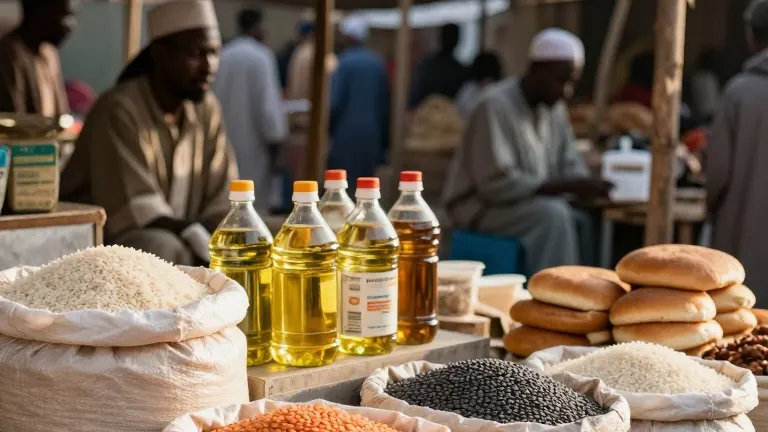
Market data from last week reflects these statistical trends. Sugar prices reached 10,000 Sudanese pounds per kilogramme, up from 9,000 just two days earlier. Cooking oil cost 25,000 pounds per litre, having been 20,000 pounds previously. The price of a single loaf of bread increased from 300 to 500 pounds within one week. On the parallel market, the dollar exchange rate hit 10,050 pounds on Friday, up from 9,500 the day before.
Residents are adjusting their spending to match these new rates. Rasha Abdelaziz Musa, a 39-year-old mother of four who sells tea, reported that feeding her family now costs approximately 40,000 pounds per day, equivalent to roughly $4 at the parallel market rate. Her husband, a military officer, has been on the front lines since the war began in 2023 and has not sent money in months. Ahmed Youssef, 61, supports 12 people with income from a butcher shop and livestock brokering. He stated that his household spends over 100,000 pounds daily, often requiring his older children to work to cover expenses.
Ali Fadil, 57, supports a family of 10 with irregular day labor at the market. He said he skips meals to pay for school fees and medical bills, borrowing money to meet other obligations when daily costs reach 70,000 pounds. The economic pressure is compounded by the city's physical state. While businesses have reopened since the military retook Khartoum from the Rapid Support Forces last year, damaged infrastructure and fuel shortages have limited supplies. The World Bank estimates that Sudan's economy contracted by 29 percent in 2023 and another 14 percent in 2024.
Khalid Teks, an economic affairs specialist, noted that the decline began before the war due to lost oil output after South Sudan's secession in 2011, currency depreciation, and political instability. He observed that families are depleting savings and selling possessions, while remittance channels remain disrupted. Teks recommended that the government provide direct support through dedicated funds and the Zakat Chamber, facilitate humanitarian organizations, and offer low-interest loans to small businesses and vocational activities.
The International Organization for Migration reports that nearly 8.9 million people remained internally displaced as of April. Limited rainfall this year has raised concerns about food shortages following the harvest, which begins in November. Urban areas have experienced a sharper increase in food costs compared to rural regions, with the gap widening as returning residents increase demand on limited infrastructure.
Source: Al Jazeera