Palestinian Israelis Face Hard Choice in Tuesday Vote
With 20% of the population at the polls, many fear the anti-Netanyahu bloc will not reverse decades of land seizures and rising violence in their communities.
By Samira Khalil ·
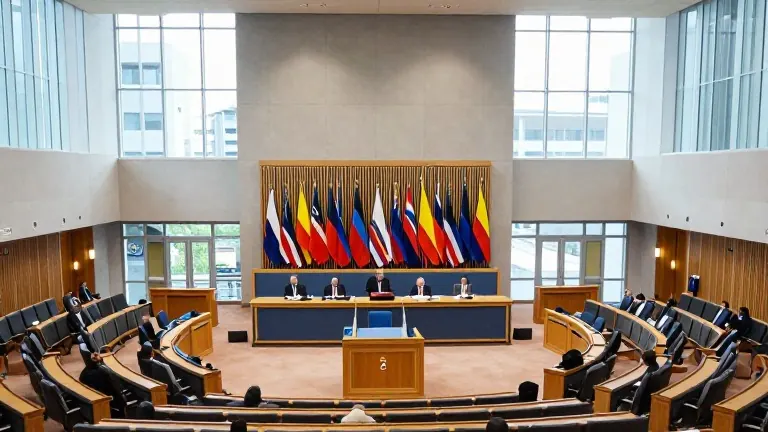
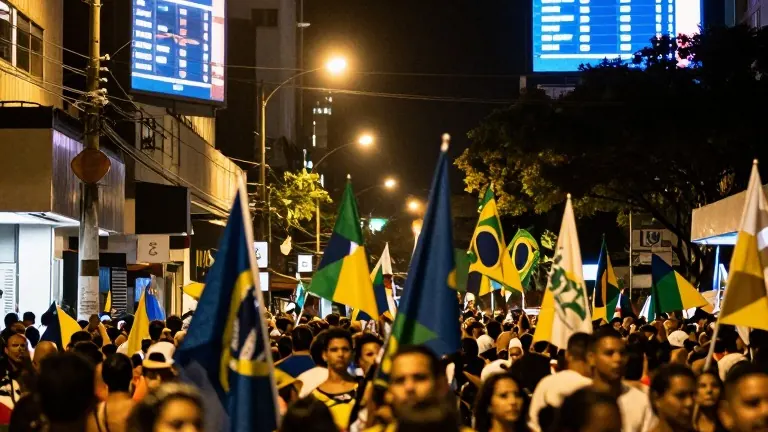
Palestinian citizens of Israel go to the polls on Tuesday.
They make up 20 percent of the country's population. For most Israeli voters, the choice is between Prime Minister Benjamin Netanyahu and Gadi Eisenkot, a former general leading the opposition. For this minority group, the decision involves a deeper dilemma about whether voting changes anything.
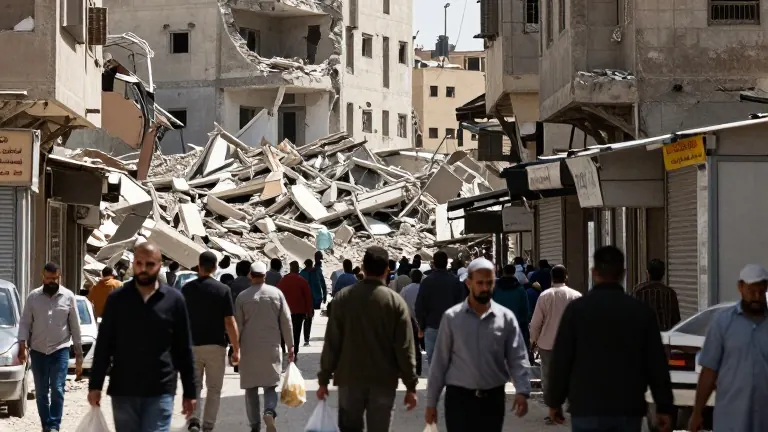
The political center in Israel has moved to the far right. This shift brings new threats to the collective rights of Palestinian citizens. Violence in their communities has increased. Settlers continue to expand into their areas. The government is also pushing to militarize civilian life. These factors create growing anxiety among the population.
The state has used land confiscation and control over education to reshape Palestinian identity. It promotes a model of the Arab Israeli citizen that is separate from the broader Palestinian national context. Despite having full voting rights, these citizens face discriminatory laws. Basic services receive less funding. They remain politically and economically marginalized.
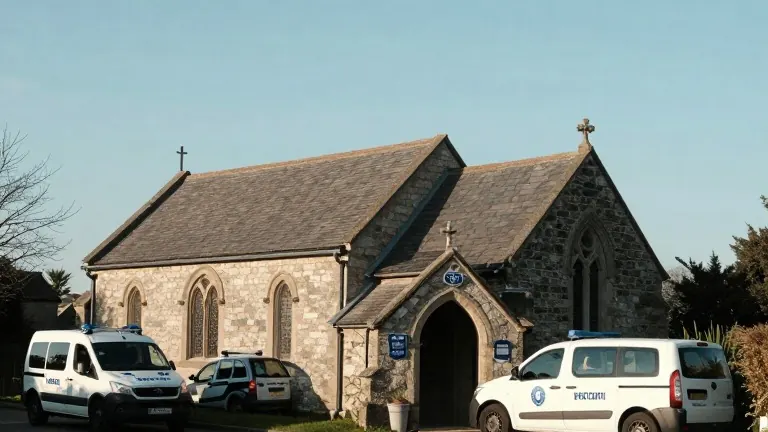
The government has outsourced much of the brutality to criminal networks. These groups have killed, shot, bombed, and burned in Palestinian areas. Law enforcement has often ignored the problem. Organized crime has grown more dangerous as groups obtained advanced weapons. These arms were reportedly stolen from army stockpiles or smuggled across borders. This trend has claimed hundreds of lives.
Settlement expansion has accelerated since October 2023. In mixed cities like Jaffa and Lydd, nationalist settler groups began moving into Palestinian neighborhoods in 2021. In August, Finance Minister Bezalel Smotrich unveiled a plan to add one million Jewish residents to the Naqab and northern Israel. The proposal includes 40 new settlements, dozens of farms, and hundreds of thousands of new housing units.
Security measures are tightening as well. The National Guard, created under National Security Minister Itamar Ben-Gvir, may take over policing in Palestinian towns. Ben-Gvir issued 300,000 gun licenses since taking office. These actions normalize civilian policing and deepen the militarization of daily life.
Mansour Abbas leads the United Arab List, known as Ra'am. His party argues that joining the anti-Netanyahu camp will halt the settler-colonial agenda. However, Ra'am joined the coalition government after the 2021 elections. That coalition excluded Netanyahu but failed to change conditions for Palestinian citizens. In 2022, member Mazen Ghnaim admitted he could not push through beneficial policies despite being in the ruling coalition.
The experience of that coalition showed the difficulty of sustaining Palestinian participation in a government with exclusionary nationalist parties. The problem extends beyond Netanyahu. Support for the opposition may not translate into policies that challenge discrimination. Another four years of far-right rule poses an immediate threat to community rights. Many will vote to slow the project, but they recognize that electoral participation must be paired with a more radical political response.
Source: Al Jazeera