Voters Signal Anger as Early Data Points to Democratic Gains
Nearly 60 million ballots are cast before Election Day, with polls showing high dissatisfaction with current economic conditions and presidential leadership.
By Samira Khalil ·
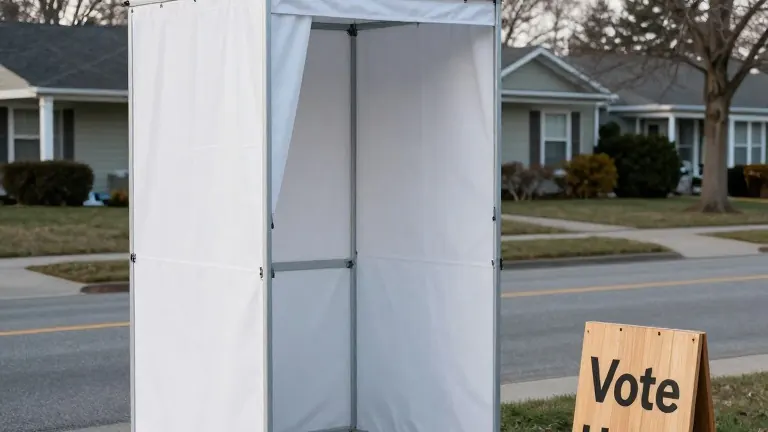
More than 59 million Americans have already cast ballots in the 2026 midterm elections, a figure that sets the stage for Tuesday's vote. Early polling data indicates a electorate that is largely unhappy with the direction of the country. Roughly three-quarters of voters describe their feelings as angry or dissatisfied with how things are going. Most of those voters attribute high costs of living to policies implemented by the Trump administration rather than external factors.
The dissatisfaction has built over the past two years. President Donald Trump has encouraged voters to treat Tuesday's election as a referendum on his performance, even though he is not on the ballot. His approval rating has dropped, with about 60% of voters disapproving of his handling of the presidency. Specific concerns include a war with Iran and rising prices for gas and daily necessities. About 40% of voters identify the economy as the most important issue, while 30% cite democracy.
Democrats are positioned to gain control of both chambers of Congress. Republicans hold a 220-215 majority in the House, but strategists believe Democrats are on track to flip that chamber. In the Senate, Republicans currently hold a 53-47 advantage. Democrats need to win four seats to take control, targeting states that Trump won in 2024, including Ohio, Iowa, Kansas, Texas, and Alaska. Key races include the open seat in North Carolina, where Democrat Roy Cooper is favored, and Georgia, where Senator Jon Ossoff seeks reelection.
The path to victory for either party is complicated by recent redistricting efforts. A net shift of nine seats on paper favors Republicans, but the changes spread conservative supporters across more districts. In states like Florida and Texas, Republican plans relied on continued support from Latino and nonwhite voters who backed Trump in 2024. Early results from Pennsylvania’s 1st District and Virginia’s 2nd District will provide early indicators of whether that support holds.
Tensions are high over the role of the federal government in the election. The Trump administration has sent about 1,000 Department of Justice staff to observe voting. Watchdogs and Democratic groups have trained tens of thousands of volunteers to monitor polling places. Recent legal actions included a failed attempt to block California from counting 20,000 ballots from likely noncitizens and a dispute in Alaska over the certification process. The administration states it has no current plans to deploy immigration agents or the National Guard, a concern raised by election observers.
The outcome will also shape the internal dynamics of the Democratic Party. Progressives are looking at Michigan, where Senator Abdul El-Sayed runs against Republican Mike Rogers. A victory would be a major win for the progressive left flank. Conversely, losses in Michigan and Minnesota could cost Democrats the Senate and trigger internal debate. If candidates across the ideological spectrum win, the party may face a wide-open presidential nominating fight in the next cycle.
Voters will head to the polls on Tuesday to resolve these questions. The results will determine whether the redistricting push benefits Republicans as planned or if the electorate delivers a broader mandate for change. The final tallies will clarify the balance of power in Washington and the future of key state offices.
Source: KOPB-FM · original report published
More Politics · Portland news · Report a business · Got a Story?