Indian Navy Frees Iranian Fishing Boat Held by Pirates Off Somalia
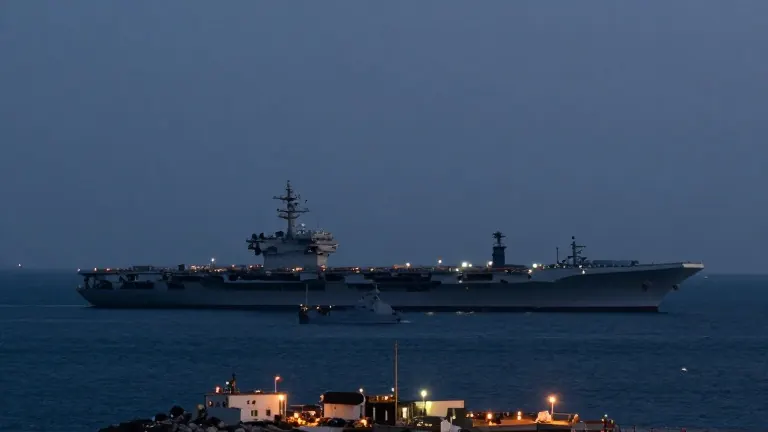
The rescue of the Azini and its 20 crew members concluded in the Arabian Sea after a 48-hour operation involving warships and commandos.
By Samira Khalil ·
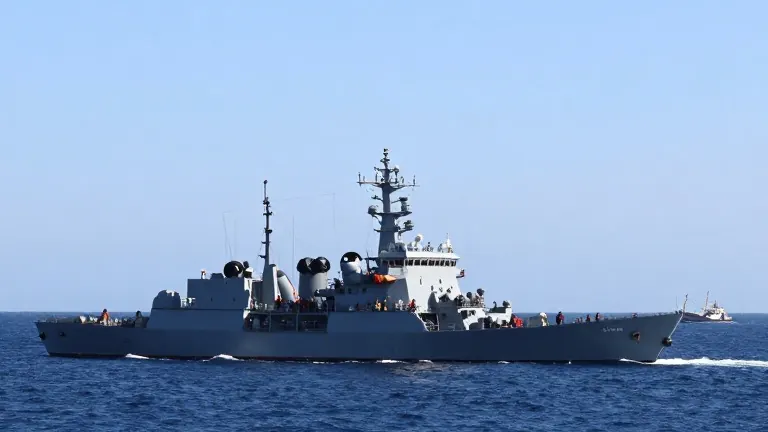
Indian naval forces rescued the Iranian fishing vessel Azini and its crew of 20 from Somali pirates in the Arabian Sea. Defense Minister Rajnath Singh confirmed on Tuesday that the operation was completed Monday, more than 3,000 kilometers from Mumbai.
The hijacking began on Oct. 29 between the ports of Bandar Bayla and Hafun. A Puntland Maritime Police Force official stated that the ship carried 21 Iranian crew members and two Somali security guards at the time of the seizure. It is unclear why the rescue figures differ from the initial crew count.
Indian authorities deployed a warship, a maritime surveillance aircraft, and marine commandos to secure the vessel. An Indian Air Force C-17 aircraft airdropped additional commandos during the mission. The operation lasted more than 48 hours before the navy regained control of the boat.
Indian forces disarmed 12 suspected Somali pirates and confiscated their mobile phones. The suspects and the two security guards were later released at Bandar Bayla in northeastern Somalia. Three individuals sustained minor injuries during the process, though officials did not specify which group they belonged to.
The Indian Defense Ministry reported that the operation ended without casualties or injuries. The ministry expressed concern that pirates might use the boat as a floating base to attack commercial shipping. Regional authorities in Puntland learned of the rescue only after the mission was complete.
This incident follows a rise in Somali piracy across the Gulf of Aden and western Indian Ocean. Pirates hijacked six commercial vessels between April and August. In September, security forces recovered the tanker MT Honour 25 after pirates killed five of its crew members. Authorities detained 16 suspected pirates in that case.
Shipping risks in the region have increased due to the Iran war and threats from Yemen’s Houthi rebels. Disruptions in the Strait of Hormuz and Bab el-Mandeb have forced some oil shipments to take longer routes around Africa, increasing costs for tanker operators.
Source: KOPB-FM · original report published
More World · Portland news · Report a business · Got a Story?