Strikes in the Strait of Hormuz Complicate U.S. Middle East Strategy
American military action near Iran occurred hours before Tuesday’s midterm elections, prompting questions about the next phase of the conflict.
By Wyatt Cooper ·
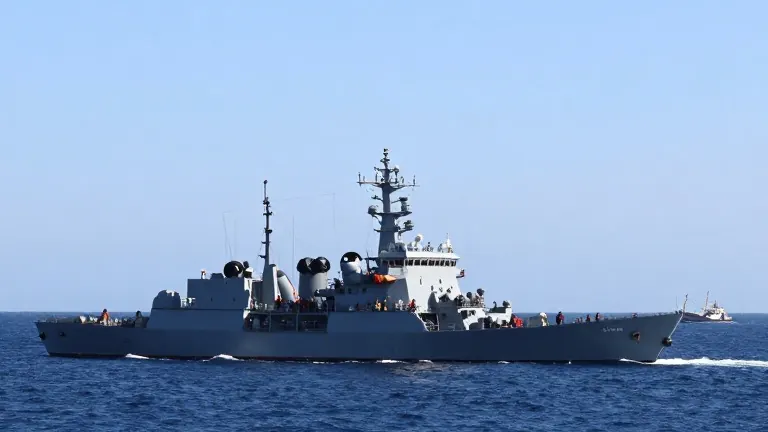
U.S. forces struck Iranian targets in the Strait of Hormuz on Monday, hours before the American midterm elections. The attacks focused on the islands of Qeshm and Hengam and the mainland area of Bandar Abbas. Iranian state media reported explosions in these locations, which control a critical route for global oil shipments.
The conflict has persisted for more than eight months, disrupting the global economy and affecting U.S. gasoline prices. President Donald Trump spent weeks stating he was considering a new wave of strikes after the election. Israeli Prime Minister Benjamin Netanyahu also pressed for renewed military action during a weekend call with the president, according to two regional officials and a third person familiar with the matter.
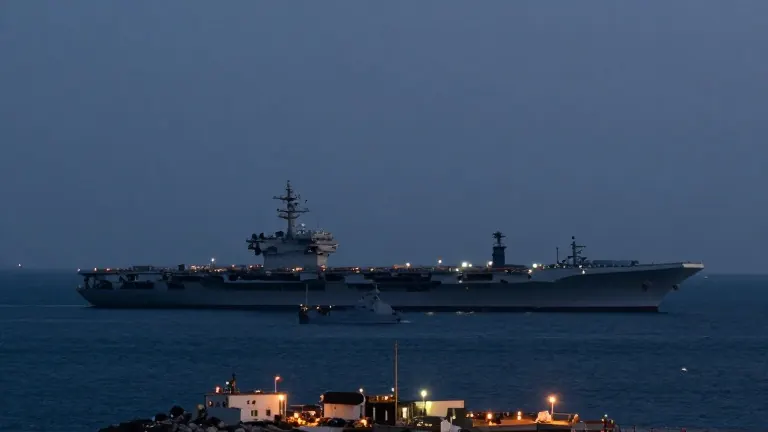
A U.S. official, who spoke on condition of anonymity, said the strikes targeted Iranian surface-to-air missile units operating in the strait. The administration had not carried out attacks since early September, though thousands of troops remain in the waters off Iran to enforce a naval blockade. This blockade aims to prevent tankers carrying Iranian oil from reaching the global market. Another aircraft carrier and additional troops are currently moving to the region.
Diplomatic efforts continued in parallel with the military action. Vice President JD Vance stated on Monday that he and President Trump felt positive about the prospects for a negotiated settlement. Two officials involved in diplomatic discussions said mediators are working to create a framework where Iran ceases attacks in the strait in exchange for the U.S. lifting its blockade. These officials spoke anonymously because they were discussing classified briefings from American and Israeli sources.
Iran responded to the strikes by maintaining its previous demands. Maj. Gen. Mohsen Rezaei, head of Iran’s Supreme National Security Council, said on Tuesday that the U.S. response to Tehran’s demands was not convincing. He noted on social media that the strait would not reopen until the U.S. addressed specific conditions. These conditions include lifting the naval blockade on Iranian ports, waiving sanctions on Iranian oil sales, and observing a ceasefire that includes Lebanon.
The war has become a political vulnerability for the Republican Party as it seeks to keep control of Congress. The conflict is unpopular, and its impact on the U.S. economy is a key factor in the current election cycle. Egyptian President Abdel-Fattah el-Sissi called on both nations to engage in dialogue, warning against further military escalation in the region.
In Tehran, residents watched the election results with mixed feelings. Reza Rezaei, a 69-year-old resident, expressed hope for a fundamental shift in U.S. policy. He said the American people needed to end the leadership of someone he described as extreme. Raheleh Movahhed, another resident, was less optimistic. She stated that the specific individual in power made little difference because American policies had always been problematic for Iran.
Iranian parliament speaker Mohammad Bagher Qalibaf addressed the situation on Tuesday via state television. He said Iran delivered a firm and rational response to the American side and that the ball was now in America’s court to prevent war. Qalibaf warned that Iran’s armed forces remained at the highest level of defensive readiness. He stated that if Washington made another strategic miscalculation, it would face a new battlefield and find itself more desperate than it is today.
The next steps in the diplomatic process remain uncertain as officials in Washington, Tehran, and Jerusalem weigh their options. The U.S. is preparing to receive additional military assets, while Iran holds firm on its list of demands for ending the war.
Source: KOPB-FM · original report published
More World · Portland news · Report a business · Got a Story?