Lithium battery fires are rising as safe disposal remains difficult
Experts say the cheap, dense energy in these batteries is driving a surge in ignition incidents, but current tools for safe handling are lacking.
By Samira Khalil ·
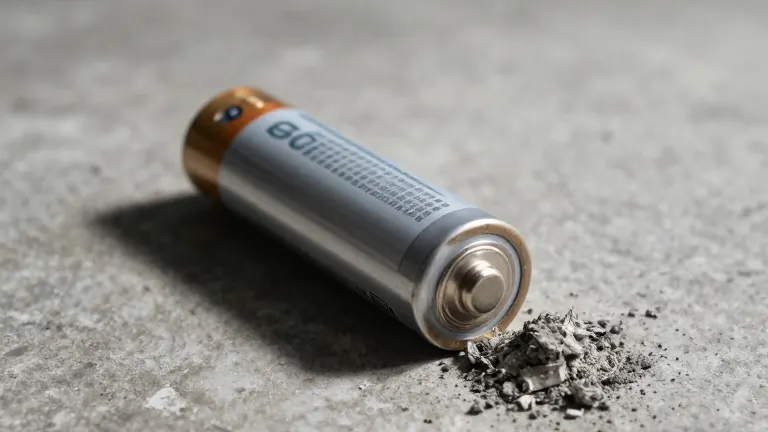
Lithium-ion batteries can heat up to the temperature of a volcanic eruption within seconds. This rapid change turns a common household power source into a fireball. The phenomenon is linked to the energy-dense chemistry inside the cells.
The market for these batteries has grown because their production costs have fallen. They now dominate the rechargeable sector. As consumer usage increases, experts report that the number of fires linked to these devices has also gone up. The risk stems from the ability of the batteries to ignite or explode under specific conditions.
Safety advocates argue that current methods for disposal are not sufficient. They state that new tools are needed to prevent fires and explosions. The difficulty lies in managing the volatile nature of the materials once they are no longer in active use. Without proper handling, the energy stored in the battery remains a hazard.
The FBI has issued a warning about online extremists targeting children. These individuals operate in gaming and social media spaces. FBI special agent Heith Janke said these cybercriminals coerce victims into self-harm and other acts. He noted that many actors are motivated by nihilistic violent extremism. "Many of these actors are motivated by nihilistic violent extremism and what that generally means generally is they want to sow chaos and they want the destruction of our society," Janke said.
Officials are investigating how these predator networks function. They are identifying warning signs for parents. The goal is to improve the process for reporting suspected activity. The FBI emphasizes that these groups are looking for specific targets in digital environments.
A separate story covers float therapy, a practice that involves lying in a tub filled with nearly a thousand pounds of magnesium dissolved in skin-temperature water. The solution is dense enough that the body cannot sink. Sessions last an hour or more. Participants can turn off lights and block out sound. Studies indicate this method can improve sleep and reduce pain.
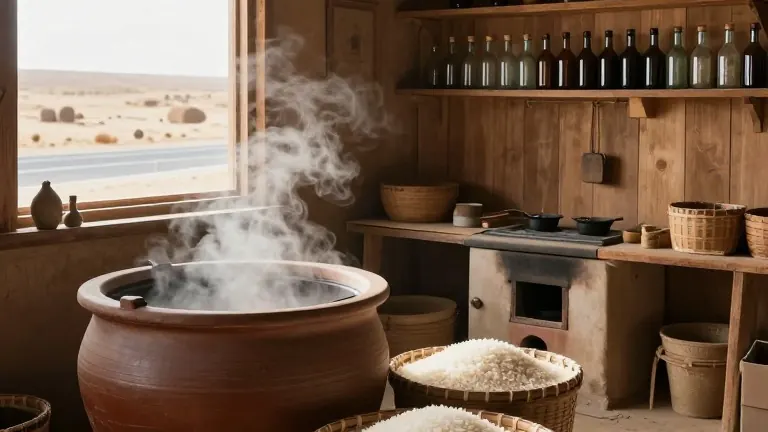
Atsuo Sakurai and his wife Heather produce award-winning sake in Holbrook, Arizona. Their shop, Arizona Sake, is located just off Route 66. They brew the traditional Japanese rice alcohol in a 200-gallon vat. Sakurai said people are often surprised to learn the beverage comes from that location.
Source: KPTV · original report published
More News · Portland news · Report a business · Got a Story?