60-Foot Mary Cassatt Mural Lost After 1893 World's Fair
A new exhibition at the Art Institute of Chicago details the creation and disappearance of the massive artwork, which vanished from a Gold Coast mansion around 1912.
By Samira Khalil ·
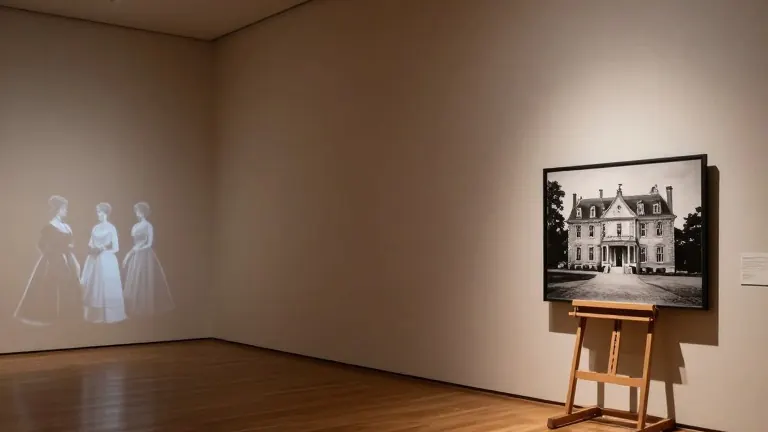
A 60-foot-long, 14-foot-high mural by Mary Cassatt has been missing since 1912. The work, titled "Modern Woman," was created for the 1893 World's Columbian Exposition in Chicago. It is the central subject of a new exhibition at the Art Institute of Chicago, which explores the piece's history and its eventual disappearance.
Cassatt, an American painter based in Paris, was commissioned to paint the triptych for the Woman's Building at the fair. The structure was a major project led by Chicago philanthropist Bertha Palmer. Inside, the building featured exhibits on women's patents, innovations, and cultural contributions. Cassatt's mural occupied the main hall, standing opposite a counter-piece by Mary MacMonnies called "Primitive Woman."
The artwork depicted three scenes of well-dressed women. One scene showed them chasing a metaphor for fame, another showed them playing music, and the central panel showed them tending an orchard. Art historian Wanda Corn, a professor emeritus at Stanford University, noted that the middle scene symbolized women harvesting the fruits of knowledge and science. Corn stated the work demonstrated the possibilities for women to become educated, artists, and seekers of fame.
After the fair concluded, the temporary Woman's Building was dismantled. Cassatt's mural was moved into storage. Curator Annelise Madsen said the last known location of the piece was the Palmer family's Gold Coast mansion on Lake Shore Drive. The house was once the largest private residence in the city before it was demolished in 1950.
The paper trail for the mural ends around 1912. At that time, the director of the Art Institute wrote a letter inquiring about unrolling the canvas for a temporary installation. Madsen said the archives contain that correspondence, but the process never materialized. Speculation suggests the artwork may have been damaged by water or destroyed in a fire.
Corn believes the mural is likely gone. She noted that many researchers have searched for it and determined it is lost. However, the piece helped establish Cassatt's reputation in the United States and encouraged other women to take on large-scale commissions. Corn said the 1893 exhibition marks a starting point for the history of women painting large works.
The exhibition aims to bring this part of Chicago's art history back to visitors. Madsen described the missing mural as an important element of the city's past. The show presents the story of the creation and loss of the work, even though the physical object remains absent from the gallery.
Source: WBEZ Chicago