Southern giant burrowing frogs return to wild after rescue from 2019-20 fires
Fifty-three rescued southern giant burrowing frogs have been released into the wild in Victoria after being raised from tadpoles collected after the 2019-20 bushfires.
By News Media House Staff ·
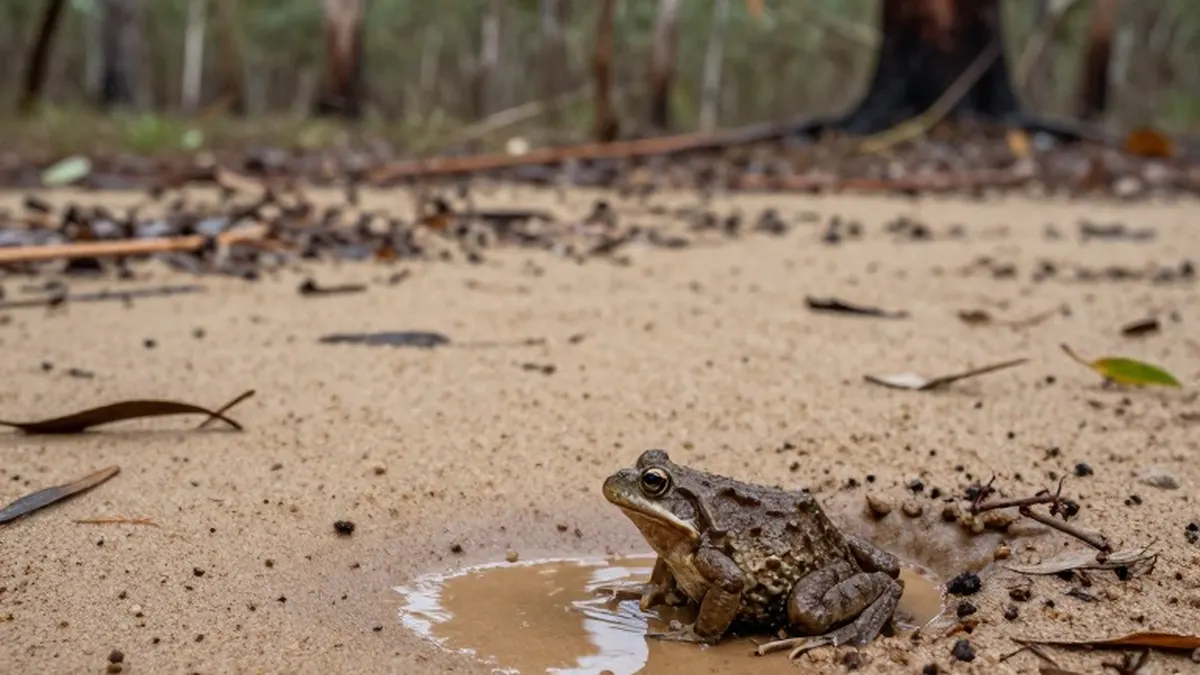
Fifty-three male southern giant burrowing frogs have been released back into the wild in eastern Victoria, marking a significant milestone in the conservation of the critically endangered species. These amphibians were originally rescued as tadpoles from the aftermath of the devastating 2019-20 black summer bushfires. The release represents a homecoming that has been in the making for more than five years.
Following the fires that tore through East Gippsland, scientists discovered puddles containing tadpoles of the southern giant burrowing frog. The species is known for being highly cryptic, which had made it difficult to locate. Approximately 160 tadpoles were collected from the area and transported to Melbourne zoo. There, the team successfully raised them through metamorphosis and achieved the first captive breeding of the species last year.
Matt Clancy, a herpetologist at Snowline Ecology, noted that these frogs can grow to the size of a cricket ball and possess long lifespans. He compared them to other large frog species, such as green tree frogs, stating that they could easily live to be over 20 years old. Despite their large size, they are elusive because they spend significant periods buried in sandy soils and forested environments, remaining still until rainfall triggers their emergence.
The timing of the release was carefully selected to coincide with favorable weather conditions. Clancy explained that the frogs were released immediately after a series of severe thunderstorms over the past several weeks. The chosen sites in the remote eastern region of the state had received between 80 and 100 millimeters of rain, creating the necessary conditions for the frogs to establish themselves.
Ryan Moes, a specialist amphibian keeper at Zoos Victoria, explained that not all the rescued individuals were suitable for the ongoing captive breeding program. The team conducted genetic testing on the original cohort of tadpoles to ensure diversity. Moes stated that in a breeding program, it is crucial to avoid having all siblings breed together. Consequently, the frogs that were not part of the breeding stock were raised until they were healthy adults before being returned to the wild.
To monitor the success of the reintroduction, each of the 53 frogs was tagged prior to release. Additionally, song meters have been installed at the release sites. These devices are designed to detect the calls of the frogs, allowing researchers to track their presence and activity levels in their native habitat.
The broader goal of the breeding program, which may involve future collections of tadpoles, is to ensure that wild populations remain healthy and robust. Moes emphasized that the ultimate aim is to prevent the species from going extinct. The program seeks to bolster the genetic viability of the population and support its long-term survival in the face of environmental challenges.
In 2021, giant burrowing frogs were officially split into two distinct subspecies: the northern and the southern. Populations of both have been severely impacted by habitat destruction and extreme climate events. Moes highlighted that more frequent and severe bushfires, prolonged droughts, and reduced rainfall due to climate change present ongoing existential threats to the species.
The situation is particularly precarious for the southern subspecies in Victoria. There are currently only five known breeding sites for the southern giant burrowing frog in the state. These sites consist of ephemeral creeks and ponds where the frogs surface to breed only when specific environmental conditions are met.
Tadpoles of this species can take anywhere from three months to two years to complete metamorphosis. They typically emerge as juvenile frogs during the spring or summer months. The successful return of these 53 adults to the wild offers a glimmer of hope for the recovery of one of Victoria's most enigmatic amphibians.
Originally published by News Media House · Source: The Guardian