EU avoids setting accession dates for candidates in bid to push Ukraine on reforms
The European Commission has declined to forecast when leading candidate countries will finish accession talks, leaving room for Kyiv to speed up its reform pace.
By News Media House Staff ·
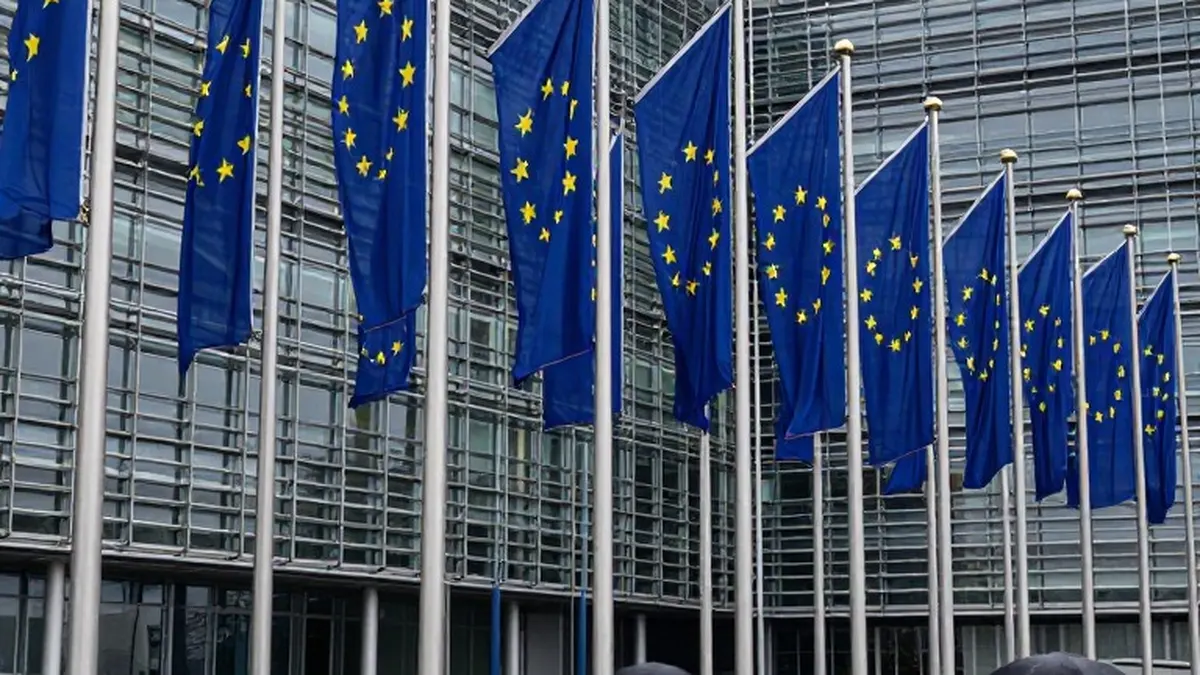
The European Union has chosen not to predict when its leading candidate countries will complete accession negotiations, a decision driven by the hope that Ukraine will accelerate the pace of its reforms, European Pravda reported.
So far, the European Commission has named an expected date for signing an accession treaty only for Montenegro: June 2027. For the remaining candidate countries, Brussels has offered no forecasts on when membership might be finalised.
According to the report, this uncertainty exists specifically because of Ukraine. EU member states signaled to the European Commission that an opportunity should be preserved for Kyiv to quicken its progress on the path to membership.
The reasoning is largely political. Ukraine is currently trailing Moldova in the accession process, and the Commission agreed that issuing an assessment suggesting Chisinau could join the bloc before Kyiv would be politically incorrect.
"Emphasising further that Moldova would be ready for accession before Ukraine would be politically unwise. After all, the EU is ready to demonstrate in every possible way its desire to bring Ukraine into this enlargement wave, should reforms make progress," the article noted.
The development comes as the European Commission published its annual enlargement package on 4 November. The package assesses the progress of 10 EU candidate countries and places Ukraine among the four countries that have made the greatest progress over the past year.
At the same time, the Commission's report on Ukraine contained a pointed caveat. Its improved assessment of Ukraine's movement toward membership, particularly in the area of anti-corruption, was achieved not thanks to, but despite the actions of the authorities in Kyiv.
By withholding accession timelines for all candidates except Montenegro, Brussels appears to be balancing two goals: keeping pressure on candidate governments to deliver reforms while avoiding any public signal that Ukraine could be overtaken by its neighbors in the current enlargement wave.
Originally published by News Media House · Source: Ukrainska Pravda