Top 10% Wealth Growth Drives K-Shaped Economy Debate
Economists point to widening gaps between asset owners and middle-income households as voters weigh in on the 2026 midterms.
By Samira Khalil ·

The wealthiest households in the United States are currently spending a larger share of their income and wealth than any other group, a dynamic that defines the current economic divide. This disparity creates what analysts call a K-shaped economy, where high earners and asset owners experience growth that does not trickle down to those in the middle and lower brackets. As the midterm elections approach, this gap has become a central point of contention on the campaign trail.
Alessandro Rebucci, an economics professor at Johns Hopkins Carey Business School, noted that aggregate data often shows a strong national economy. However, the distribution of that economic pie significantly alters how voters perceive their own financial security. He explained that the wealthiest families spend much more than the lowest earners, both in absolute dollars and as a percentage of their total resources.
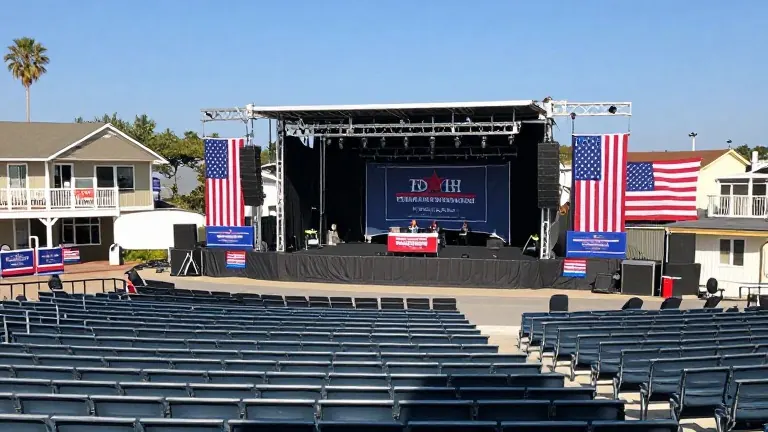
President Donald Trump has frequently argued that the current economic climate is the best in history. Speaking at a rally in Las Vegas on Aug. 5, he stated, “The economy is the greatest economy we’ve ever had, by far.” This assertion contrasts with recent consumer surveys, which suggest many voters feel the cost of living is a burden. This disconnect between official metrics and personal experience is a recurring theme in election cycles, where the party in power typically champions economic strength.
Rebucci argued that Americans have long operated within an economy that tolerates high levels of inequality. He emphasized that the goal is not necessarily to eliminate that inequality but to adjust the system so society can function effectively despite it. For voters to feel optimistic, he said, they must believe they have a realistic chance of entering the top 10% or top 1% of earners.
The perception of the cost of living remains the primary factor shaping voter sentiment, according to Rebucci. He stated, “Voters reflect the perception of the cost of living as they experienced, as opposed to what is in the data.” This sentiment suggests that macroeconomic indicators are less influential on ballot choices than individual household finances.
Voters in Oregon and across the nation will head to the polls in the coming weeks to decide control of Congress. The election outcome may signal whether the current K-shaped economic trajectory influences policy priorities for the next two years. Campaigns for both parties have continued to debate the state of the economy, with candidates citing either the strength of top-tier growth or the strain on middle-class budgets.
Source: Atlanta News First