Breaking: Election Day is here! Make your selections in Oregon
Voters in Oregon and across the nation are heading to the polls to decide the balance of power in Congress and statehouses, with all 435 House seats and 35 Senate seats on the line.
By Anthony Brooks ·
Voters in Portland, Gresham, Hillsboro, Beaverton, Tigard, and Lake Oswego are casting their ballots today in a midterm election that will determine who controls Congress for the final two years of President Donald Trump's second term. According to Ballotpedia, all 435 seats in the U.S. House are up for grabs, along with 35 of the 100 Senate seats. The outcome will shape the legislative landscape in Washington, D.C., with Republicans currently holding a slim majority in the Senate and a narrow lead in the House. Democrats need a net gain of three House districts to claim a majority, while Republicans can afford to lose no more than two seats to maintain their position in the lower chamber.
In the Senate, the stakes are equally high as 33 regular elections and two special elections proceed. Republicans currently hold 53 seats, while Democrats hold 45, plus two independents who caucus with Democrats. To take control, Democrats must win a net gain of four seats. According to the Associated Press, this election is being viewed as a referendum on the president's performance, with many voters expressing frustration over high prices and an unpopular war with Iran. AP-NORC polling indicates that 35 percent of U.S. adults approve of Trump's job performance, while about seven in ten say the country is heading in the wrong direction.
Oregon voters are facing a unique slate of state races in addition to federal contests. The state's U.S. Senate seat is an open contest with no incumbent running, and the Democratic, Libertarian, and Republican parties have candidates on the ballot. Similarly, the governor's race is an open seat with no incumbent on the ballot, featuring candidates from the Democratic and Republican parties. Every U.S. House seat in Oregon is also on the ballot, alongside state and local offices and measures that vary by county. This broad array of choices means that decisions made in local precincts will ripple outward to influence national policy and state governance.
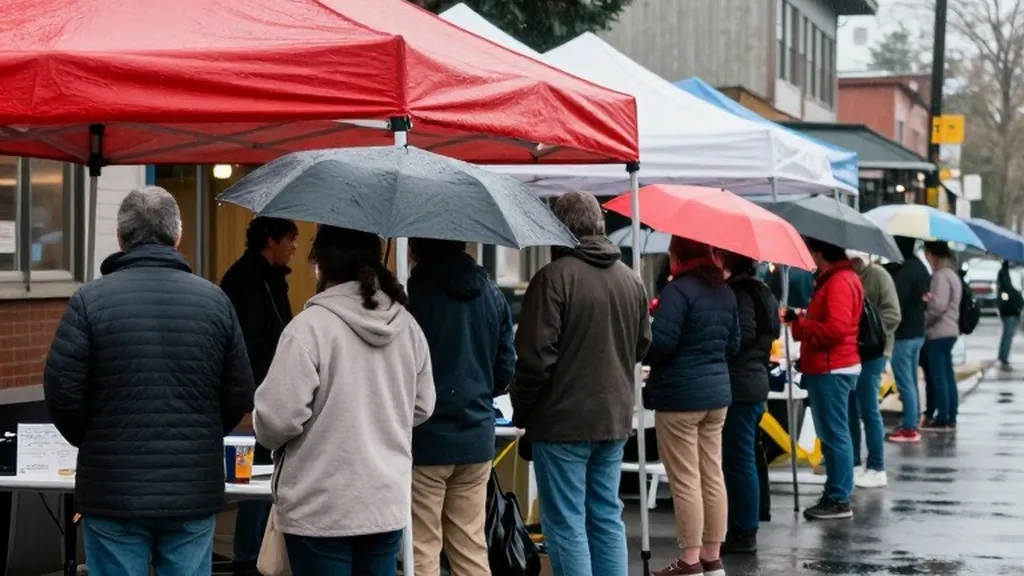
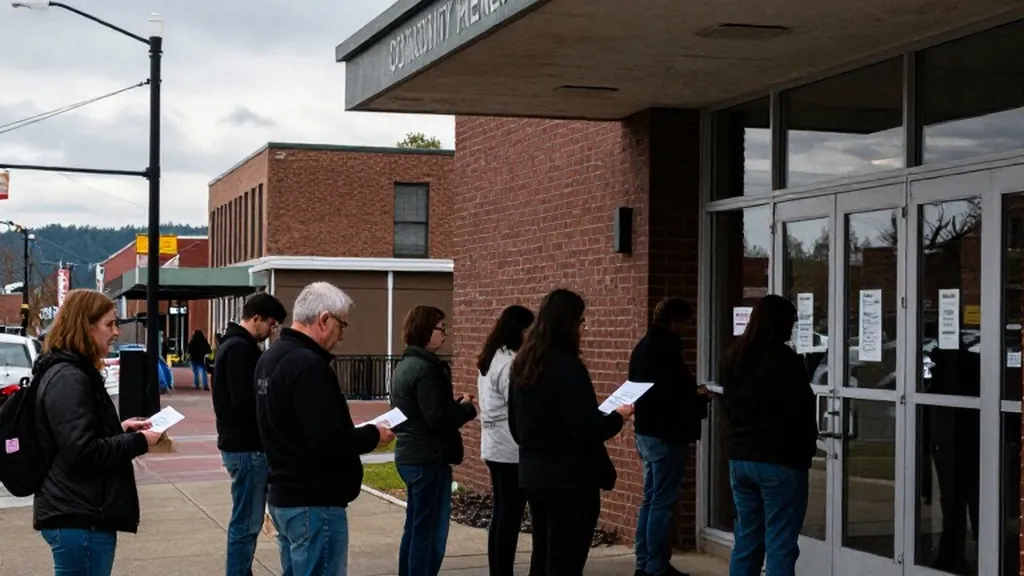
Polls in Oregon open at 7 a.m. and close at 8 p.m. local time, with the state conducting its elections largely by mail. Oregon is divided between the Mountain and Pacific time zones, so residents should verify their specific polling location and closing times. According to USA.gov, anyone in line when polls close is entitled to vote, so voters should plan to arrive early or stay in line if they arrive near the end of the day. To find a polling place, residents can visit vote.gov or check with their state election office. ID rules vary by state, so voters in the Portland area should review Oregon's specific identification requirements before heading to the polls.
The national picture is complex, with 13 Senate races considered battlegrounds according to Ballotpedia. In Maine, Senator Susan Collins faces Democratic former state Senate President Troy Jackson, a race the Associated Press describes as competitive due to economic strain and tariffs. In Georgia, Senator Jon Ossoff is running against Republican Representative Mike Collins. In Ohio, Democratic former Senator Sherrod Brown is challenging Republican Senator Jon Husted in a special election. In Michigan, Republican former Representative Mike Rogers is running against Democrat Abdul El-Sayed. These races are critical because Democrats need a net gain of four seats to control the Senate, a goal that requires winning in several states where the margin of victory was tight in 2024.
Governor races are also a focal point in 36 states. According to Ballotpedia, Republicans hold 26 governor's offices and Democrats hold 24 heading into the election. Of the offices on the ballot, each party holds 18. Democrats would need a net gain of two governorships to achieve a nationwide majority, a feat they have not accomplished since 2010. In Oregon, the open governor's race is part of this broader national contest, with voters in Portland and surrounding towns choosing between Democratic and Republican candidates. The outcome of these races will determine which party has the upper hand in state executive power across the country.
The mood among voters is mixed, with some expressing optimism and others citing financial concerns. According to the Associated Press, more than 57 million people had already voted as of Monday, surpassing the early vote of four years ago in many closely watched states. Republican committees are bracing for the possibility of losing the House while fighting to hold the Senate, with the Associated Press noting that one or two seats could tip either chamber. Democrats are described as cautiously optimistic, with Democratic Congressional Campaign Committee Chair Representative Suzan DelBene stating that the American people are angry and want change. Republican National Committee Chairman Joe Gruters emphasized that everything depends on turnout, asserting that if Republicans turn out their voters, they will win.
President Trump has been active in supporting his party's candidates, holding dozens of rallies and ending his schedule Sunday in Salina, Kansas. He stated, "I really want you to pretend I'm on the ballot," a sentiment that many Republican candidates have tried to distance themselves from. The president has also continued to make claims about voting fraud, including assertions that noncitizens vote in large numbers. His administration has filed lawsuits in Alaska and California, and Democrats fear interference and intimidation as the Justice Department threatens to prosecute local election officials. A federal judge temporarily barred the administration from carrying out a plan to prevent noncitizen voting, a move that critics say risks disenfranchising eligible voters.
The financial aspect of the election is also notable, with the 2026 elections likely to be the most expensive in history. According to an AP analysis of AdImpact data, Republican committees outraised and outspent Democratic committees, helped by Trump-affiliated groups and Elon Musk. However, at the candidate level, Democrats outraised their opponents. 88.1 percent of Republican general election TV ad spending went to states and districts Trump won in 2024, including more than $850 million where he won by 10 points or more. This spending pattern suggests a strategic focus on protecting Republican-held seats, while Democrats are working to flip key districts and states.
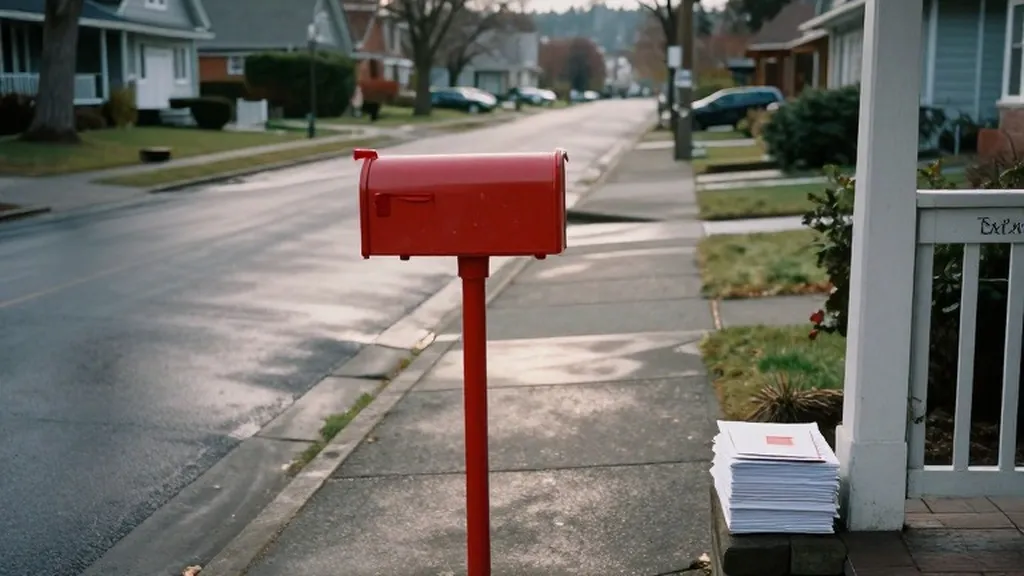
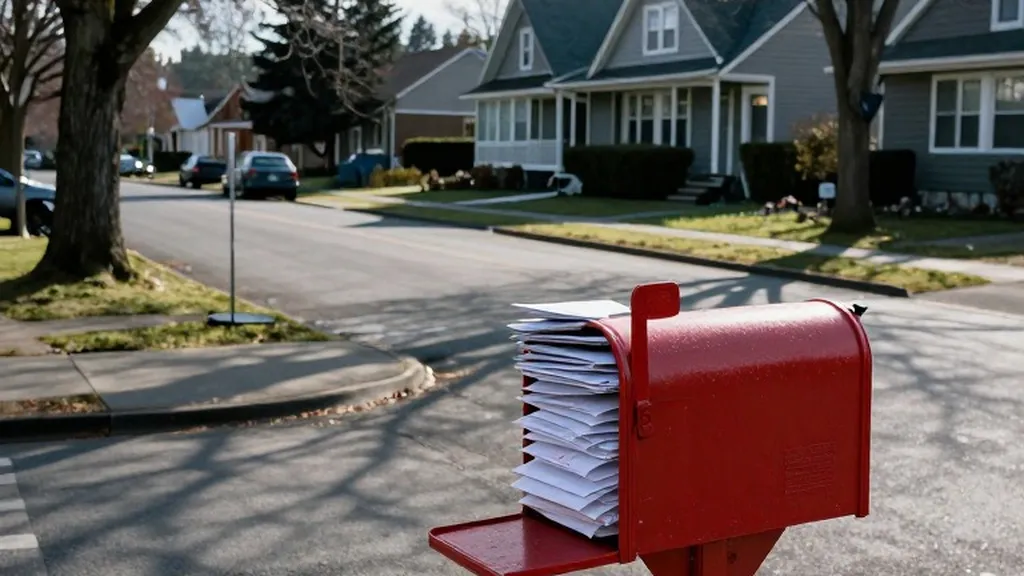
For voters in the Portland area, the day offers a chance to influence both local and national outcomes. From the streets of Beaverton to the neighborhoods of Tigard, residents are heading to polling places or preparing to mail their ballots. The election administration is being closely watched, with the U.S. Postal Service adding hours, staff, and special lines to ensure mail ballots are counted on time. Wall Street is also keeping a close eye on the results, as Reuters notes that the outcome could add to investor concerns about AI spending and debt ceiling negotiations. The stakes extend beyond Congress, potentially affecting the path of potential 2028 candidates and the political future of Vice President JD Vance.
As polls open across the country, voters are reminded to check their local rules and arrive prepared. In Oregon, the mail-based system provides flexibility, but those voting in person should ensure they are in line by 8 p.m. The election will decide not only who controls the House and Senate but also the balance of power in state governments. With 36 governorships on the line, the outcome of these races will shape policy on issues ranging from healthcare to education. In Oregon, the open Senate and Governor races add an extra layer of unpredictability, as voters choose new leaders for key positions in the state.