Black Voter Turnout Could Shift 2026 Race Outcomes
With nearly 850,000 Black registered voters in Alabama, officials say high participation could influence state and national results.
By Samira Khalil ·

Voter registration data in Alabama indicates that Black voters hold a decisive influence in the upcoming election cycle. Nearly 850,000 of the state's 3.2 million active registered voters are Black, accounting for approximately 27% of the electorate.
Samuel P. Martin, President and Publisher of the Birmingham Times, argues that this demographic weight can alter outcomes at every level of government. He points to the 2008 and 2012 presidential elections, where high Black turnout supported the re-election of Barack Obama. Martin also cites the 2018 Alabama Senate race, where he says Black women helped elect Doug Jones in a traditionally conservative state.
In the 2026 election, Martin states that African American voters could affect results in Alabama and across the nation if they participate in large numbers. He notes that while Alabama has historically voted for conservative candidates in statewide races, close contests in Congress and local offices are sensitive to turnout changes. A modest increase in Black voter participation, he argues, can rival a major shift in public opinion in determining these results.
Jefferson County offers a specific example of this potential impact. More than 189,000 Black voters are registered in the county. However, the Alabama Secretary of State’s office lists over 60,000 voters as inactive due to moves or missed elections. Martin warns that these inactive statuses can complicate voting on election day.
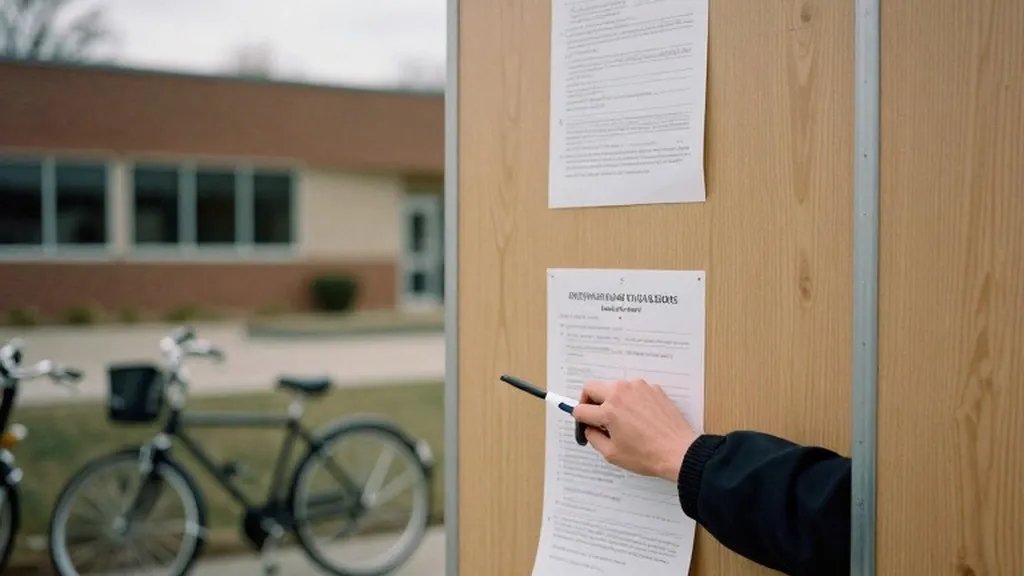
Martin advises voters to confirm their registration status at myinfo.alabamavotes.gov before November 3. If a voter finds their status listed as inactive, they should contact their county registrar. Registrars can update information up to the day before the election. Voters who arrive at the polls and are told they are inactive should ask for a Voter Reidentification/Update Form from the site supervisor. Martin cautions against casting a provisional ballot in this scenario, as those ballots may not be counted.
High turnout also pressures campaigns to address specific local concerns. In rural Alabama, these issues include hospital closures, broadband access, and agricultural conditions. In urban areas, voters focus on housing, public safety, and employment. Martin states that when voters show up in force, candidates must respond directly to these priorities rather than relying on national messaging.
Nationally, Black voters make up approximately 14% of the overall vote. Martin suggests this share could be pivotal in competitive districts in Georgia, North Carolina, the Midwest, and the Northeast. He notes that while the presidential election passed in 2024, control of Congress and state governments remains within reach for Black voters in 2026.
Martin acknowledges that political fatigue often discourages participation. He tells readers to find candidates that align with their values and then vote. He reminds voters of the historical sacrifices made to secure the franchise, urging them to take action rather than waiting for a perfect candidate. The next step, he says, is to take a friend to the polls.
Source: Birmingham Times