Oregon voters face open governor and Senate races amid national midterms
In Portland and across the state, voters decide two high-profile open seats while a 18 to 18 national split sets the stage for a competitive Tuesday.
By Anthony Brooks ·
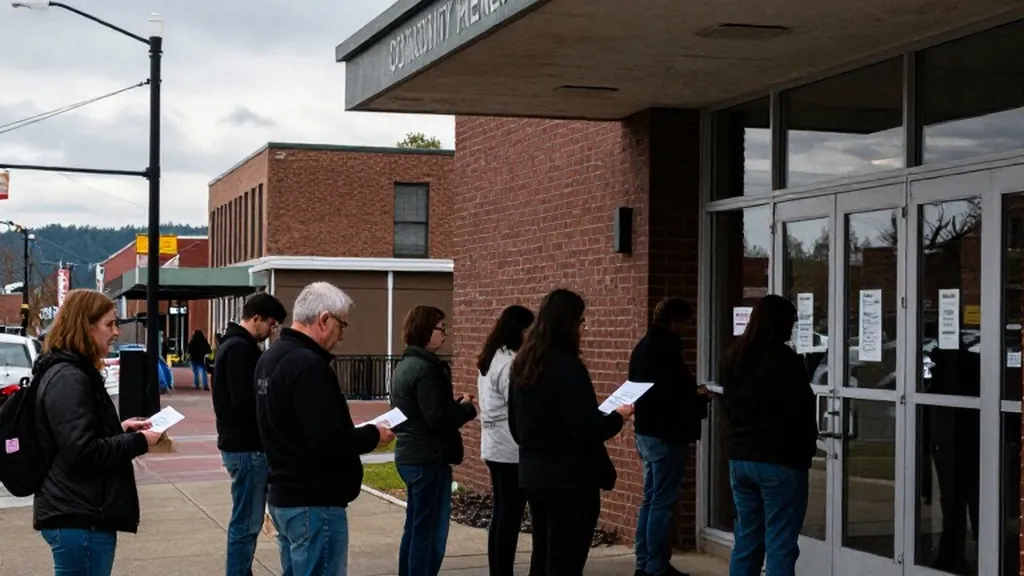
Voters in Portland, Gresham, Hillsboro, Beaverton, Tigard, and Lake Oswego will head to the polls or check their mail ballots today to decide two of the most consequential open races in the country. Oregon polls are open from 7 a.m. to 8 p.m., with the state’s election largely conducted by mail. According to Ballotpedia, the state is divided between the Mountain and Pacific time zones, and residents can verify their specific polling locations at vote.gov. The day is defined by a lack of incumbents for both the U.S. Senate and the governor’s office, placing the power entirely in the hands of the electorate.
In the U.S. Senate race, the seat is open as no incumbent is running. The parties on the ballot are the Democratic, Libertarian, and Republican parties. This contest is part of a broader national fight where 35 of 100 Senate seats are up for grabs. Democrats currently hold 45 seats and need a net gain of four to control the chamber, while Republicans hold 53 and can lose only two. The Associated Press notes that Republicans were bracing to lose the House but fighting to hold the Senate, with one or two seats potentially tipping the balance.
The governor’s race is similarly open, with no incumbent on the ballot. The parties competing are the Democratic and Republican parties. This race is one of 36 governorships being decided today. Heading into the election, Republicans hold 26 governor’s offices and Democrats hold 24. Of the specific offices on the ballot, each party holds 18. Democrats would need a net gain of two governorships to achieve a nationwide majority, a status Republicans have held since 2010. The Associated Press reports that Democrats hope to hold a majority of governorships for the first time in two decades.
Nationally, the midterm election is being framed as a referendum on President Donald Trump’s second term. The Associated Press describes the mood as one where voters are struggling with high prices and are angry over an unpopular war with Iran. Polling from AP-NORC indicates that 35 percent of U.S. adults approve of Trump’s job performance, while about seven in 10 say the country is heading in the wrong direction. Most respondents blame the president for high prices, a sentiment that has fueled the competitive nature of the nine governor battlegrounds identified by Ballotpedia.
These nine battlegrounds include Alaska, Arizona, Georgia, Iowa, Kansas, Michigan, Nevada, Ohio, and Wisconsin. In Georgia, Republican health care executive Rick Jackson faces Democratic former Atlanta Mayor Keisha Lance Bottoms. In Nevada, Republican Gov. Joe Lombardo runs against Democratic Attorney General Aaron Ford. In Ohio, Republican Vivek Ramaswamy competes against Democrat Amy Acton. The Associated Press also calls Texas, Florida, and Iowa competitive governor races, highlighting the uncertainty surrounding the 19 open seats where no incumbent is running.
The Senate race is equally volatile, with 13 battlegrounds identified. Key matchups include North Carolina, where Democratic former Gov. Roy Cooper faces Michael Whatley, and Georgia, where Sen. Jon Ossoff runs against Rep. Mike Collins. In Maine, Sen. Susan Collins faces Democratic former state Senate President Troy Jackson. The Associated Press notes that economic strain and tariffs have made Maine competitive. In Michigan, Republican former Rep. Mike Rogers runs against Democrat Abdul El-Sayed, with recent endorsements adding to the complexity of the race.
The financial stakes of this election are historic. The 2026 elections are likely to be the most expensive in history, with Republican committees outraising and outspending Democratic committees, aided by Trump-affiliated groups and Elon Musk. However, at the candidate level, Democrats outraised their opponents. An analysis by the Associated Press of AdImpact data shows that 88.1 percent of Republican general election TV ad spending went to states and districts Trump won in 2024. This spending pattern reflects a strategy to defend existing advantages rather than expand them.
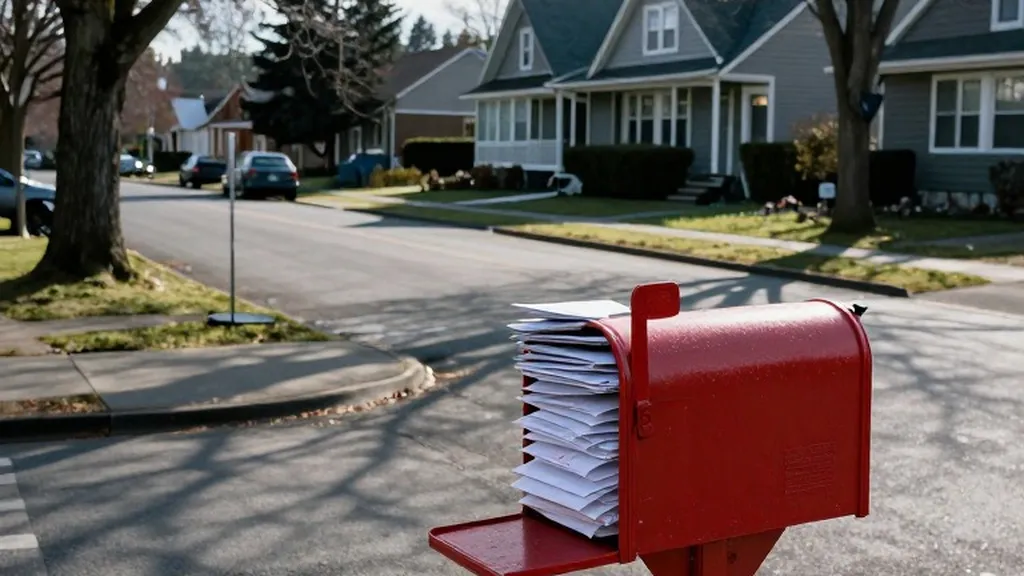
Election administration has been a point of contention, with a federal judge temporarily barring the Trump administration from a plan to prevent noncitizen voting. Critics argue this risks disenfranchising eligible voters, while the administration seeks to enforce its rules. The U.S. Postal Service has added hours and staff to ensure mail ballots are counted on time. In Oregon, where the election is largely by mail, these logistical efforts are critical to ensuring every vote is recorded by the 8 p.m. deadline.
The outcome will determine who controls Congress for the final two years of Trump’s term. If Democrats win even one chamber, investigations and possible impeachment proceedings become likely. House Democratic Leader Hakeem Jeffries, who would be the first Black speaker if his party takes the House, has outlined a 100-day agenda focused on the cost of living and oversight. A strong Democratic night would also boost potential 2028 candidates, including Gavin Newsom, JB Pritzker, and Pete Buttigieg, while complicating the path for Vice President JD Vance.
For Oregon voters, the day is about local and state choices that align with these national currents. The open seats in the governor’s mansion and the Senate mean that the parties on the ballot will set the tone for the state’s direction in the coming years. As polls open at 7 a.m. and close at 8 p.m., residents in Portland and its surrounding towns participate in a process that is both a local expression and a national referendum on the current administration’s legacy.