Record spending marks Oregon's mail ballot election
Republican committees outspent Democrats, but candidates raised more, as voters in Portland and surrounding towns head to the polls.
By Lily Carter ·
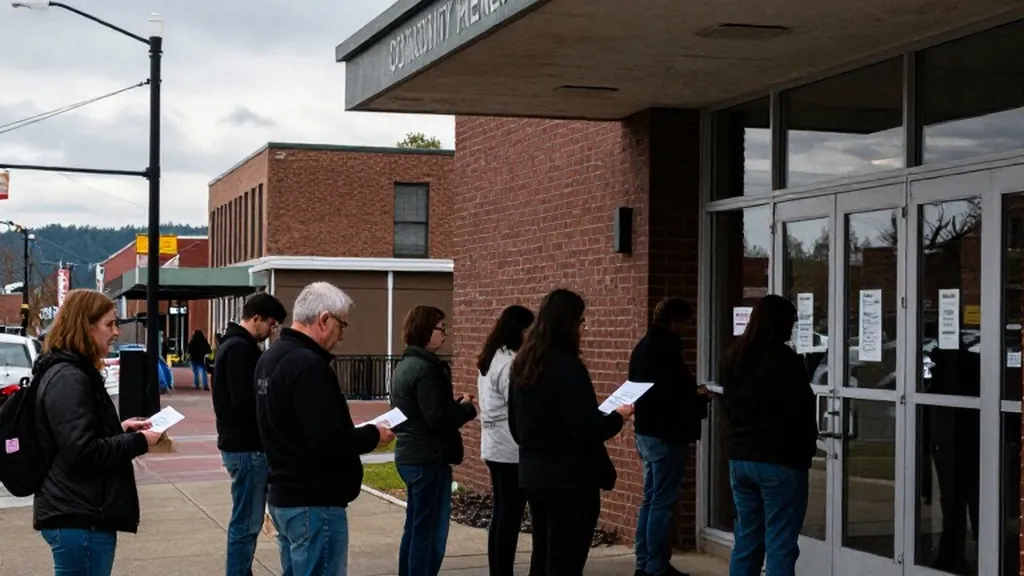
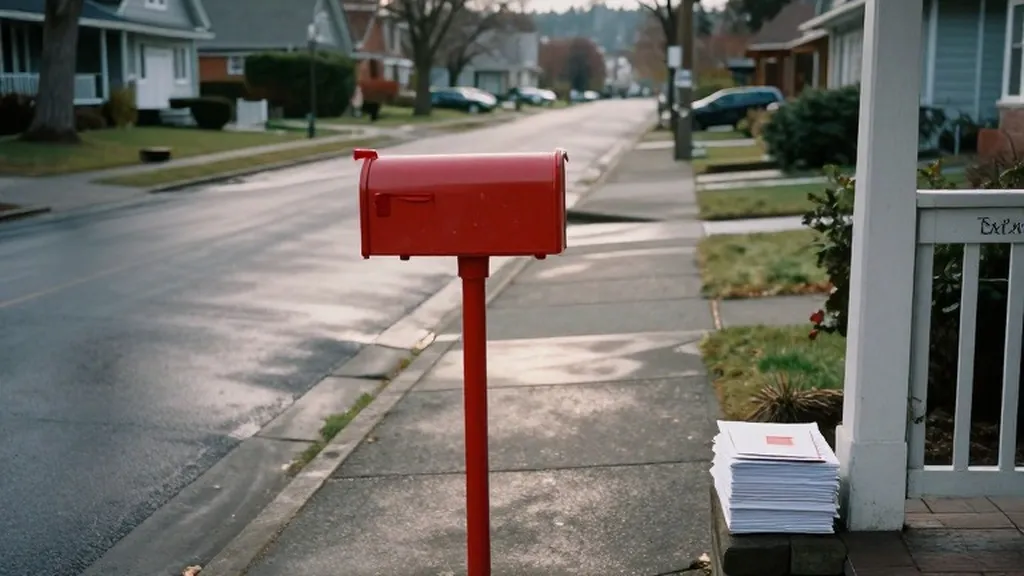
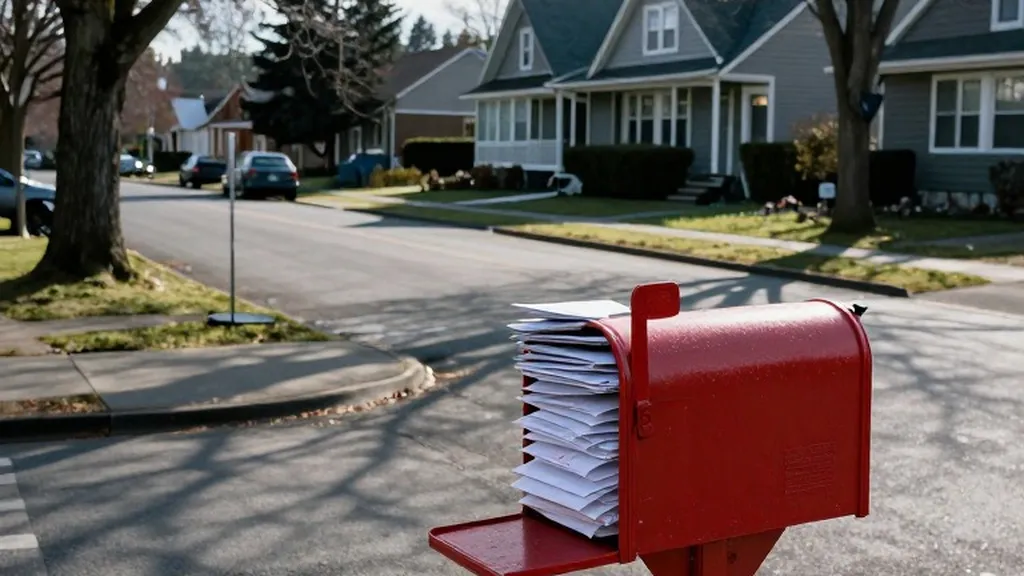
Voters in Portland, Gresham, Hillsboro, Beaverton, Tigard and Lake Oswego are heading to the polls today, though many will likely wait for their ballots to arrive in the mail. Oregon conducts its elections largely by mail, and polls are open from 7 a.m. to 8 p.m. on Tuesday, November 3. The state is deciding its U.S. Senate seat, the governorship, and every U.S. House seat. The open Senate race features candidates from the Democratic, Republican and Libertarian parties, while the gubernatorial race is between the Democratic and Republican parties.
This midterm election is being described by the Associated Press as a referendum on President Donald Trump's second term. Voters are navigating high prices and anger over an unpopular war with Iran. According to AP-NORC polling, 35 percent of U.S. adults approve of Trump's job performance, while about seven in ten say the country is heading in the wrong direction. Most blame the president for high prices. In North Carolina, a librarian named James Moore said he is paying more for taxes, healthcare and everything else.
The financial stakes of this cycle are unprecedented. The Associated Press reports that the 2026 elections will likely be the most expensive in history. A distinct split in funding has emerged between the party committees and the individual candidates. Republican committees outraised and outspent their Democratic counterparts, a lead attributed in part to Trump-affiliated groups and Elon Musk. However, at the candidate level, Democrats outraised their opponents. This discrepancy highlights a strategic divergence in how resources are deployed across the national and local levels.
An analysis by the Associated Press of AdImpact data reveals where that money went. Eighty-eight point one percent of Republican general election television ad spending was directed to states and districts that Trump won in 2024. In districts where he won by ten points or more, that spending totaled more than 850 million dollars. This heavy concentration suggests a strategy focused on consolidating support in already favorable areas rather than solely targeting swing districts. The data indicates that the party is banking on turnout in strongholds to maintain control of the chambers.
In the U.S. House, all 435 seats are up for election. Republicans currently hold 218 seats, while Democrats hold 214, with one independent and vacancies remaining. Democrats need a net gain of three districts to achieve a majority, while Republicans can lose no more than two seats. Sixty House incumbents did not run again, including 23 Democrats and 37 Republicans. Ballotpedia identifies 46 battleground districts, with 25 held by Democrats and 21 by Republicans. The outcome of these races will determine which party controls the House for the final two years of the current presidential term.
The U.S. Senate race involves 35 of the 100 seats. Republicans hold 53 seats, and Democrats hold 45, plus two independents who caucus with Democrats. Democrats need a net gain of four seats to take control of the chamber, whereas Republicans can only afford to lose two. Eleven senators are not running again, including four Democrats and seven Republicans. Winners in these races will begin six-year terms on January 3, 2027. Key matchups include North Carolina, Georgia, Ohio, Michigan, Texas and Maine, where the races are considered competitive. In Maine, the Associated Press notes that economic strain and tariffs have made the state a toss-up.
Governor races are also in play across 36 states. Republicans currently hold 26 governor's offices, and Democrats hold 24. Democrats would need a net gain of two governorships to achieve a nationwide majority, a position Republicans have held since 2010. In Oregon, the governorship is an open seat with no incumbent running. Nationwide, Democrats are defending five governorships in states Trump won in 2024, including Arizona, Kansas, Michigan, Pennsylvania and Wisconsin. The Associated Press calls the races in Texas, Florida and Iowa competitive. In Ohio, Republican Vivek Ramaswamy is facing Democrat Amy Acton, a race that has drawn attention due to campaign advertisements.
The mood among voters is mixed. Republicans were bracing to lose the House and fighting to hold the Senate, with the Associated Press noting that one or two seats could tip either chamber. Democrats were described as cautiously optimistic. RNC Chairman Joe Gruters stated that everything depends on turnout and that the party has been planning for it. DCCC Chair Rep. Suzan DelBene said the American people are angry and want change. More than 57 million people had already voted as of Monday, surpassing the early vote total of four years ago in many closely watched states.
Election administration has faced recent legal challenges. A federal judge on Monday temporarily barred the Trump administration from carrying out a plan to prevent noncitizen voting, a move critics say risks disenfranchising eligible voters. Another judge ordered the administration to stop demanding that California election officials segregate ballots cast by people on lists of suspected noncitizens. The U.S. Postal Service added hours, staff and special lines to ensure mail ballots are counted on time. In Oregon, where mail voting is the primary method, these logistical efforts are critical to ensuring timely results.
President Trump held dozens of rallies leading up to the election, ending his schedule Sunday in Salina, Kansas. He told voters, "I really want you to pretend I'm on the ballot." His schedule included stops in Mississippi, South Carolina and Texas. Many Republican candidates kept their distance from the president during the final days of the campaign. Trump has continued to make claims about voting fraud, including that noncitizens vote in large numbers. His administration filed lawsuits in Alaska and California, and Democrats have expressed concern over potential interference and intimidation as the Justice Department threatens to prosecute local election officials.