Oregon voters decide open Senate, governor races as national stakes mount
With polls open until 8 p.m. Pacific, local ballots will determine the next state leaders while Oregon's open Senate seat becomes part of a tight national contest.
By Wyatt Cooper ·
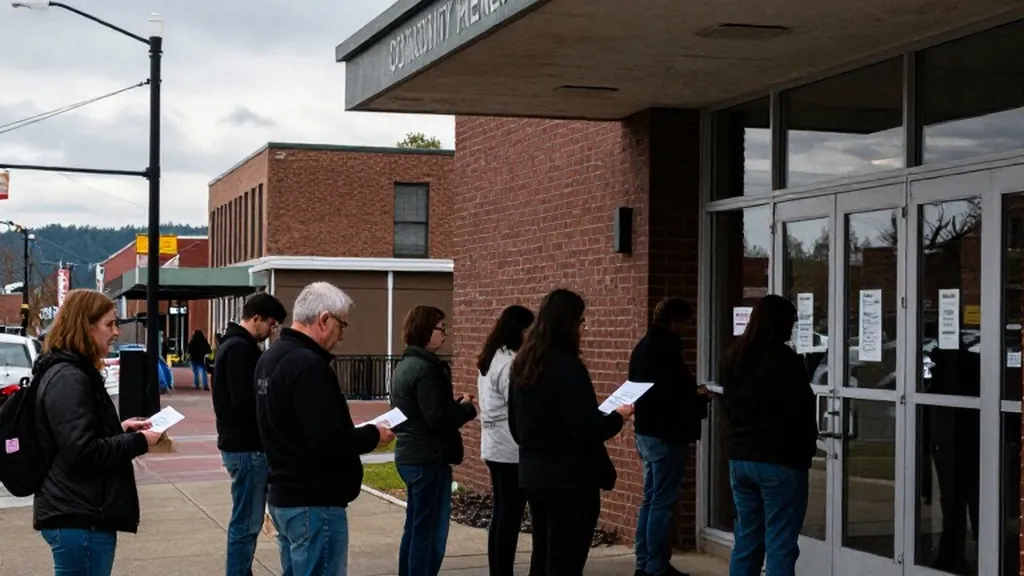
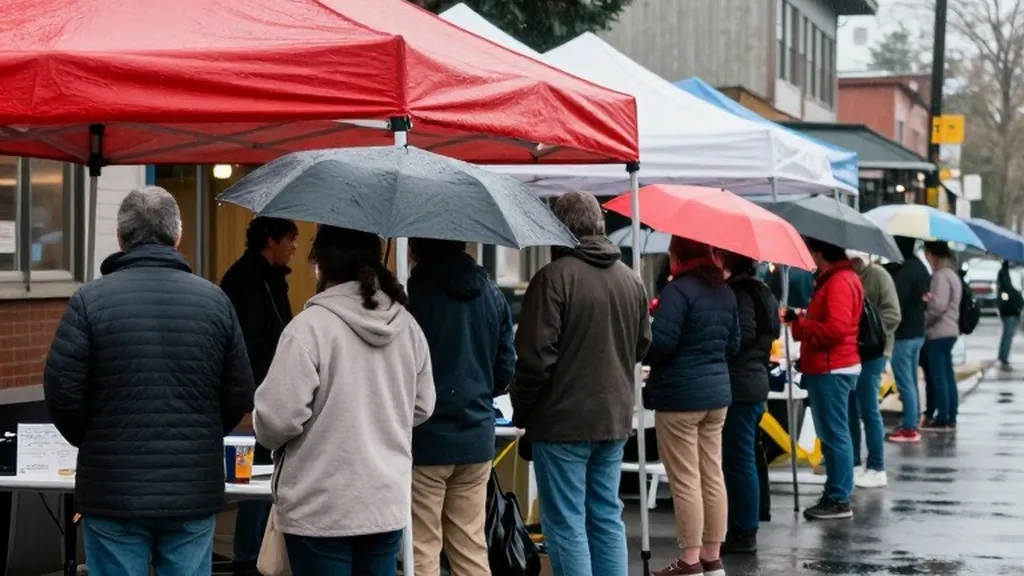
Voters across the Portland metro area are casting ballots on Tuesday, November 3, 2026, in a midterm election that will shape the balance of power in Washington and local government. Polls in Oregon are open from 7 a.m. to 8 p.m. Pacific Time, with the state divided between the Mountain and Pacific time zones. According to Ballotpedia, the state conducts its elections largely by mail, meaning many voters in Portland, Gresham, Hillsboro, Beaverton, Tigard, and Lake Oswego have already submitted their ballots. Those who have not may still use their mail ballots at a polling place or drop box. Anyone in line when polls close is entitled to vote, and residents should verify their specific polling location at vote.gov.
The Oregon ballot includes an open seat for the U.S. Senate, with no incumbent running for reelection. The parties on the ballot are the Democratic, Libertarian, and Republican parties. This race is part of a broader national contest where 35 of 100 Senate seats are up for grabs. Republicans currently hold 53 seats, while Democrats hold 45, plus two independents who caucus with Democrats. To gain a majority, Democrats need a net gain of four seats, whereas Republicans can afford to lose only two. Oregon's open seat is not officially classified as a battleground in the national ratings, but it contributes to the overall count that will determine which party controls the chamber.
Oregonians are also choosing a new governor, as the office is an open seat with no incumbent on the ballot. The Democratic and Republican parties are represented on the ballot. Nationally, 36 governorships are up for election, with Republicans holding 26 offices and Democrats 24. Of the offices on the ballot, each party holds 18. Democrats would need a net gain of two governorships to achieve a nationwide majority, a position Republicans have held since 2010. The outcome in Oregon will be part of this national tally, influencing the overall control of state executive branches across the country.
All U.S. House seats in Oregon are also on the ballot, along with various state and local offices and measures that vary by county. In the national House race, all 435 seats are up for election. Republicans hold 218 seats, Democrats 214, and one independent, with vacancies. Democrats need a net gain of three districts to secure a majority, while Republicans can lose no more than two. Ballotpedia counts 46 battleground districts nationwide, with 25 held by Democrats and 21 by Republicans. The results in Oregon's districts will contribute to this national race, which is described by the Associated Press as a referendum on President Donald Trump's second term.
Nineteen of the 36 governor races have no incumbent on the ballot, as 15 governors are term-limited and others have chosen not to run. In Oregon, the absence of an incumbent means voters are choosing a new leader for the state without the influence of a sitting officeholder. This is part of a larger trend where 19 races lack an incumbent, including in states like Iowa, Minnesota, and Wisconsin. The Associated Press notes that Republicans were bracing to lose the House and fighting to hold the Senate, while Democrats were described as cautiously optimistic. The results in local races will help determine which party controls the executive and legislative branches of state and federal government.
The national Senate race features 13 battlegrounds, with ratings as of October 27 from Cook, Decision Desk, Inside Elections, and Sabato. Maine is a toss-up on all four ratings, while Iowa is a toss-up or tilt Republican. Kansas is a toss-up to lean Republican, and Alaska is a toss-up to lean Democratic. Michigan is a toss-up to lean Democratic, and Georgia is lean to likely Democratic. These ratings highlight the competitive nature of the race, where one or two seats could tip the balance of power. The Associated Press and PBS have named key matchups in states like North Carolina, Georgia, Ohio, Michigan, Texas, and Maine, where economic strain and tariffs have made some states more competitive.
Voters are grappling with high prices and an unpopular war with Iran, according to the Associated Press. An AP-NORC poll shows that 35% of U.S. adults approve of Trump's job performance, and 25% approve of his handling of the economy. About seven in 10 say the country is heading in the wrong direction, with most blaming Trump for high prices. More than 57 million people had already voted as of Monday, surpassing the early vote of four years ago in many closely watched states. This high level of early voting suggests that the election will be closely contested, with turnout playing a crucial role in determining the outcome.
Republican National Committee Chairman Joe Gruters stated that everything depends on turnout, adding that if they turn out their voters, they win. Democratic Congressional Campaign Committee Chair Rep. Suzan DelBene said the American people are angry and want change. The 2026 elections are likely to be the most expensive in history, with Republican committees outraising and outspending Democratic committees at the committee level, though Democrats outraised their opponents at the candidate level. The Associated Press analysis of AdImpact data shows that 88.1% of Republican general election TV ad spending went to states and districts Trump won in 2024, including more than $850 million in areas where he won by 10 points or more.
A federal judge on Monday temporarily barred the Trump administration from carrying out a plan to prevent noncitizen voting, a move critics say risks disenfranchising eligible voters. Another judge ordered the administration to stop demanding that California election officials segregate ballots cast by people on its lists of suspected noncitizens. The U.S. Postal Service added hours, staff, and special lines to ensure mail ballots are counted on time. These administrative decisions are part of a broader effort to ensure the integrity of the election, which is being watched closely by Wall Street and investors who are concerned about AI spending and debt ceiling negotiations.