China extends tariff relief for Canadian canola, lobster and crab through 2028
Ottawa says Beijing will keep tariffs on Canadian canola meal, peas, lobster and crab paused for two more years, prolonging a trade truce reached after Prime Minister Mark Carney's January visit to Beijing.
By News Media House Staff ·
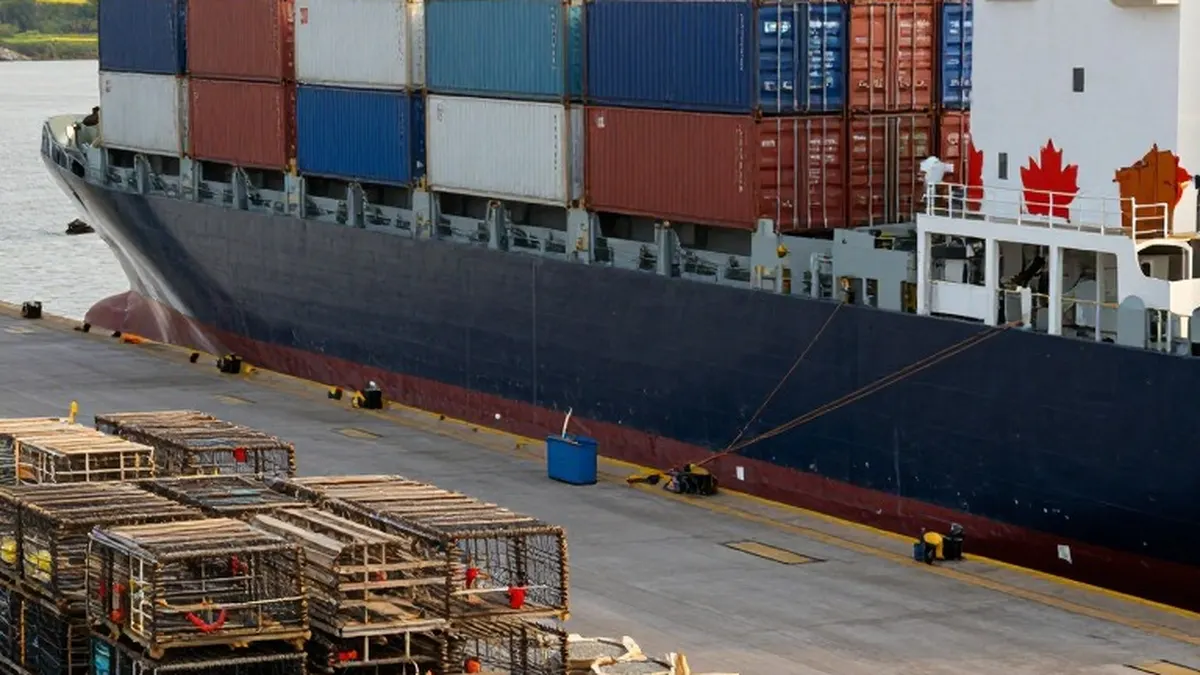
The federal government announced Wednesday that China will extend its tariff-free treatment for a range of Canadian agricultural and seafood products for another two years. The relief had been due to expire at the end of 2026 and will now remain in place until the end of 2028.
The arrangement stems from Prime Minister Mark Carney's trip to Beijing in January, which produced a deal that paused China's 100 per cent tariffs on Canadian canola meal and peas, along with its 25 per cent tariffs on Canadian lobster and crab. That pause took effect in March and was originally promised only until the close of this year.
International Trade Minister Maninder Sidhu welcomed the extension in a statement, framing it as a foundation for export growth. "This extension gives farmers, producers and harvesters predictable access to the Chinese market, and it's how we will grow our exports to China by 50 per cent by 2030," he said.
The January visit also delivered a separate win for the canola sector: Beijing agreed to cut its tariff on Canadian canola seed imports from 100 per cent to roughly 15 per cent, with that lower rate locked in for five years.
Canada is the world's largest exporter of canola, and China is the industry's second-largest market after the United States.
For canola growers, pea producers and seafood harvesters, the new timeline removes the prospect of the Chinese duties snapping back when the calendar turns to 2027.
When he signed the initial agreement, Carney made concessions of his own. Canada agreed to allow as many as 49,000 Chinese electric vehicles into the domestic market each year at a tariff rate of 6.1 per cent.
That marked a sharp drop from the 100 per cent tariff the Trudeau government placed on Chinese-made electric vehicles in 2024. Beijing had hiked its tariffs on Canadian goods in response to that move.
The January agreement also included improved access to the Canadian market for certain Chinese steel and aluminum products that are in short supply in Canada and cannot be made by Canadian producers. The government confirmed Wednesday that this market access, too, will be extended until the end of 2028.
Originally published by News Media House · Source: CBC News